
The Kawasaki Mule is the classic workhorse UTV, so it’s no wonder that so many folks depend on the Mule Pro FXT today. It’s a dependable machine, but even the best UTVs can break down after hard use or missed maintenance.
Today we’re looking at the most common Kawasaki Mule Pro FXT problems you might encounter. We’ll explain the symptoms, identify some possible causes, and help you understand what to do next.
Before you spend a ton of time figuring out what the problem is, make sure you identify your machine. Confirm your year, model, engine, and VIN number to make sure any parts you might order are correct.
You can use your VIN to check your exact model with Kawasaki’s VIN search, and you can check for recalls in their owner’s center.
With that out of the way, let’s get to the good stuff.
There are two main scenarios when an engine won’t start. Either 1.) it doesn’t crank, cranks slowly, or clicks, or 2.) it cranks consistently but still won’t start. Each scenario points to a different set of possible problems.
No crank, a single click, or slow cranking:
These symptoms can come from a weak battery, a poor electrical connection, a blown fuse, a faulty starter relay, or a problem with the starter or solenoid. Because several components can produce similar symptoms, have a dealer or qualified technician test the battery and starting system before replacing parts.
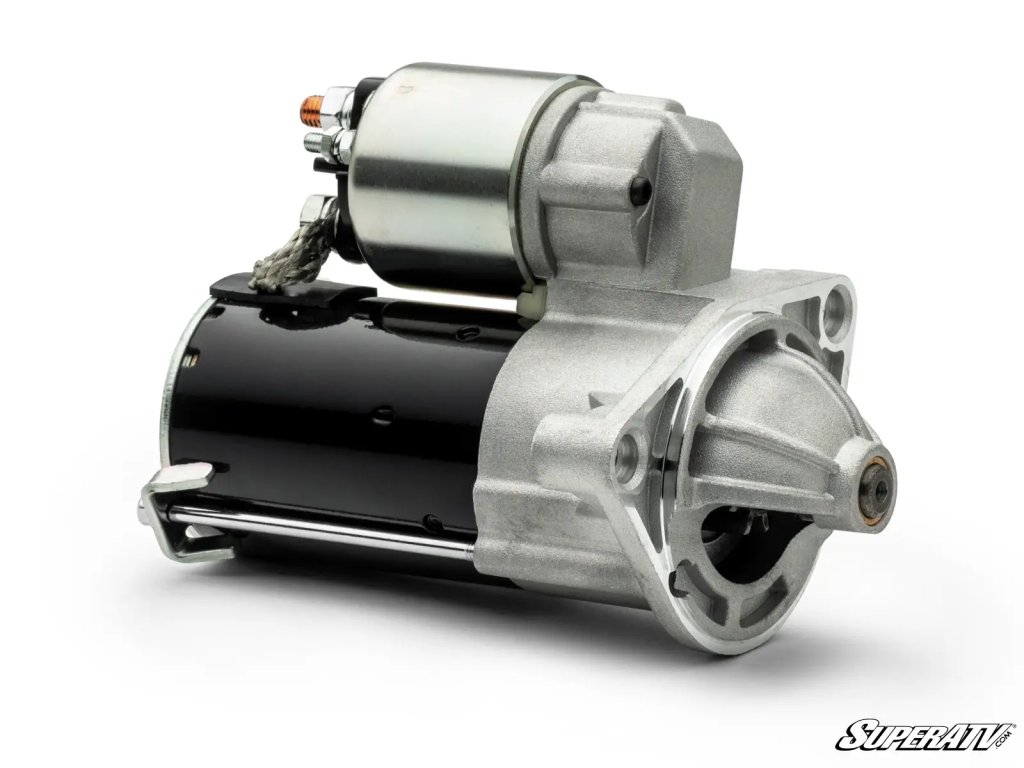
If the battery is confirmed as the problem, you can get a Kawasaki Mule battery replacement from us. We also have a Mule Pro Starter for 2015–2022 year models.
The engine cranks but will not start:
An engine that cranks consistently without starting may have a fuel, air, or ignition problem. Possible causes include old or contaminated fuel, a restricted air or fuel filter, worn spark plugs, a failing fuel pump, or an electrical issue.
A dealer or qualified technician can inspect these systems and test fuel pressure to identify the actual cause. Getting confirmation will help you avoid replacing a fuel pump or another component that hasn’t failed.
Power loss on the Mule Pro can take a few different forms:
These symptoms can come from restricted airflow, a fuel-delivery problem, worn spark plugs, contaminated fuel, or an electrical issue. Make a note of when the problem occurs and whether any warning lights appear. That information can help a dealer or qualified technician narrow down the cause.
If the problem only appears after the engine gets hot, tell the technician. Some fuel-pump and electrical problems can be difficult to identify when the machine is cold. A shop can test the system under the conditions that produce the symptoms before recommending replacement parts.
When the engine overheats, you may see a warning light on the dash and notice reduced power. Follow the instructions in your Kawasaki owner’s manual whenever the temperature warning appears.
Overheating can result from low coolant, restricted airflow through the radiator, a coolant leak, a damaged radiator, a fan problem, a faulty thermostat, or an electrical issue. A dealer or qualified technician can inspect the complete cooling system and identify the cause.
Be sure to tell the technician whether the problem occurs at idle, during heavy work, or under other specific conditions. If the warning returns after service, the cooling system may need further diagnosis.
If your Mule Pro is hard to shift, grinds when you shift, or pops from high to low on its own, several components could be responsible.
Possible causes include the condition of the transmission fluid, a shift-cable or linkage problem, belt or clutch wear, or an internal transmission issue. Because these symptoms can overlap, a professional should diagnose the drivetrain before adjustments or replacement parts come into the picture.
Tell the technician when the problem occurs and whether the machine creeps while in gear. Those details can help separate a linkage problem from a clutch or transmission problem.
Belt problems are easy to spot. They practically jump out and bite you. Whether you hear the belt squealing, smell it burning, or feel it slipping, it’s impossible to ignore.
These symptoms may indicate a worn or damaged belt, contamination inside the clutch housing, or wear on the clutch sheaves. A dealer or qualified technician can inspect the belt and clutch system and determine which components need attention.
You can help avoid clutch and belt problems in the future by following Kawasaki’s recommendations for low-range use and belt break-in. Slow riding and heavy hauling can put excessive heat into a belt when the machine is operated in high range. We’ve blown tons of drive belts in minutes during testing just by abusing high range in a UTV.
Different symptoms can point to different steering issues on the Kawasaki Mule. An EPS warning or loss of power-steering assist can indicate an electrical connection, fuse, sensor, or power-steering system problem. A dealer can retrieve the fault code and inspect the EPS system to identify the cause.
Wandering, pulling, looseness, or clunking can come from tire-pressure or alignment issues as well as wear in the wheel bearings, tie rod ends, ball joints, steering rack, or A-arm bushings. Because the same symptom can originate in several places, have the front end inspected to confirm which component is responsible.
If the inspection identifies worn ball joints, tie rod ends, or A-arm bushings, replacing those components can restore the steering system.
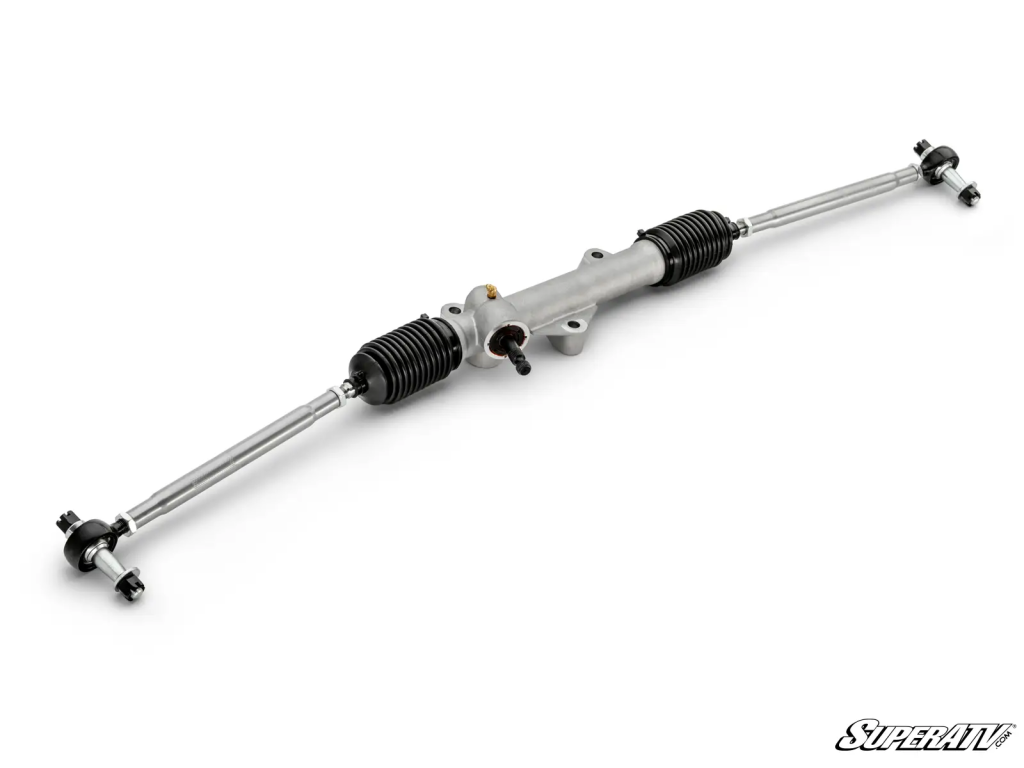
If the rack is confirmed as worn out, it’s a good time to upgrade to one that’s designed to last way longer than stock, like our RackBoss 2.0 rack and pinion. We have fitment for 2015–2023 models.
Heat in the cab is not necessarily an engine-temperature issue. Rather, we’re talking about the Mule Pro’s tendency to send some of the hot air that passes over the radiator into the cab. It’s great on cold days but a real bummer in the middle of summer.
Adding more control over cab airflow can make hot-weather rides more comfortable. If you have a fixed windshield that traps heat, replace it with a flip windshield that lets you adjust your ventilation. You can also add a hood scoop to direct outside air into the cab.
To sum up: more ventilation is a big help on a Mule Pro.

No matter how hard we try, problems don’t go away if we ignore them. And on a complex machine like a Kawasaki Mule Pro, one symptom can have several possible causes.
Pay attention to when the problem occurs, note any warning lights or unusual sounds, and share those details with a dealer or qualified technician. An accurate diagnosis helps ensure that the correct component gets serviced or replaced.
Whether you need a few parts for your Mule or you’re ready to upgrade your ride, head over to SuperATV for the gear you want.
Disclaimer: This article was written by an employee of SuperATV. The views, opinions, and recommendations expressed in this blog are the writer’s own and do not necessarily reflect those of SuperATV. This content is provided for informational purposes only and is not intended as safety advice or official technical guidance. Modifying vehicles and using aftermarket parts can impact performance and safety. Readers are responsible for ensuring proper installation, compatibility, and safe operation. SuperATV makes no representations or warranties regarding the accuracy or completeness of this information and assumes no liability for any actions taken based on it.

