When you think of a Honda Foreman, your first thought is probably that it’s a seriously dependable ATV. That doesn’t mean you’ll never have issues with it. If you put in enough hours, just like any machine, it could eventually start acting a little weird.
Maybe it won’t start one morning. Or maybe you notice some problems when you’re shifting. Or you might notice it running hot, losing power, or making a noise that definitely wasn’t there last weekend.
We’re breaking down seven common Honda Foreman problems and what could be causing them. Just remember that Foreman models have changed quite a bit over the years. Always confirm your model year and trim and check your owner’s manual before doing anything.
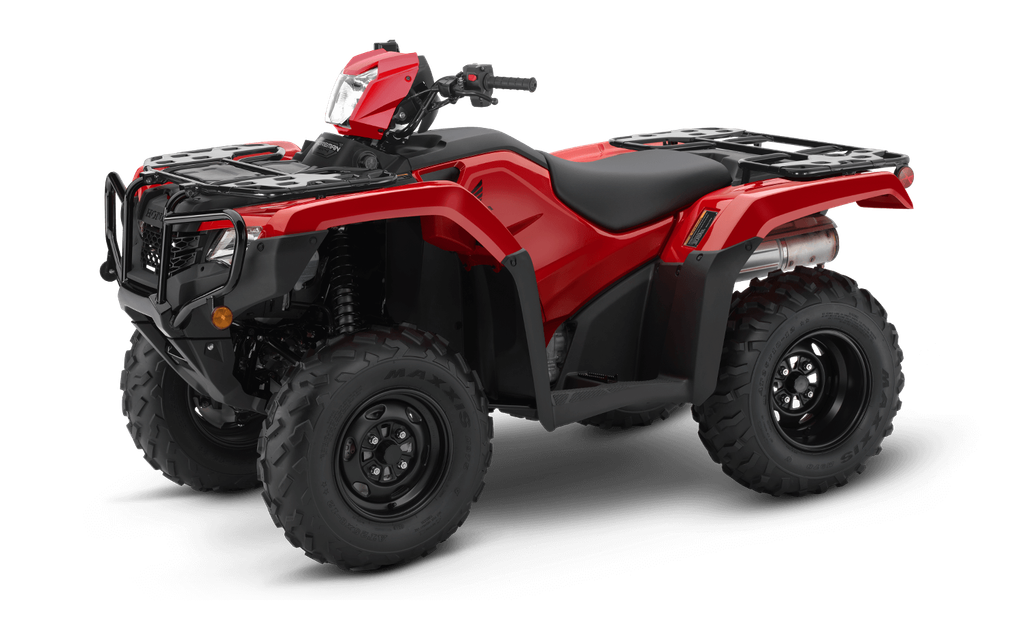
So you’re ready to get to work, but then you go to hit the starter and you get a clicking noise. Or worse, nothing happens at all. It could also crank so slowly that you know you won’t be going anywhere anytime soon. These symptoms typically point to a weak battery, bad connection, poor ground, starter relay, or charging problems. That probably seems like a lot, but it can be pretty easy to pinpoint what exactly it is.
Start with the battery. You’ll want to check its charge, then make sure the terminals and grounds are clean and tight. If your battery keeps dying, you could have a charging issue or something pulling power while your Foreman is sitting. If you’ve added lights or other electrical accessories, their wiring is worth checking too.
If the engine cranks normally but just won’t fire, you’re probably looking in a different direction. Fuel, air, spark, and other electrical problems can all keep an engine from starting even when the starter is doing its job.
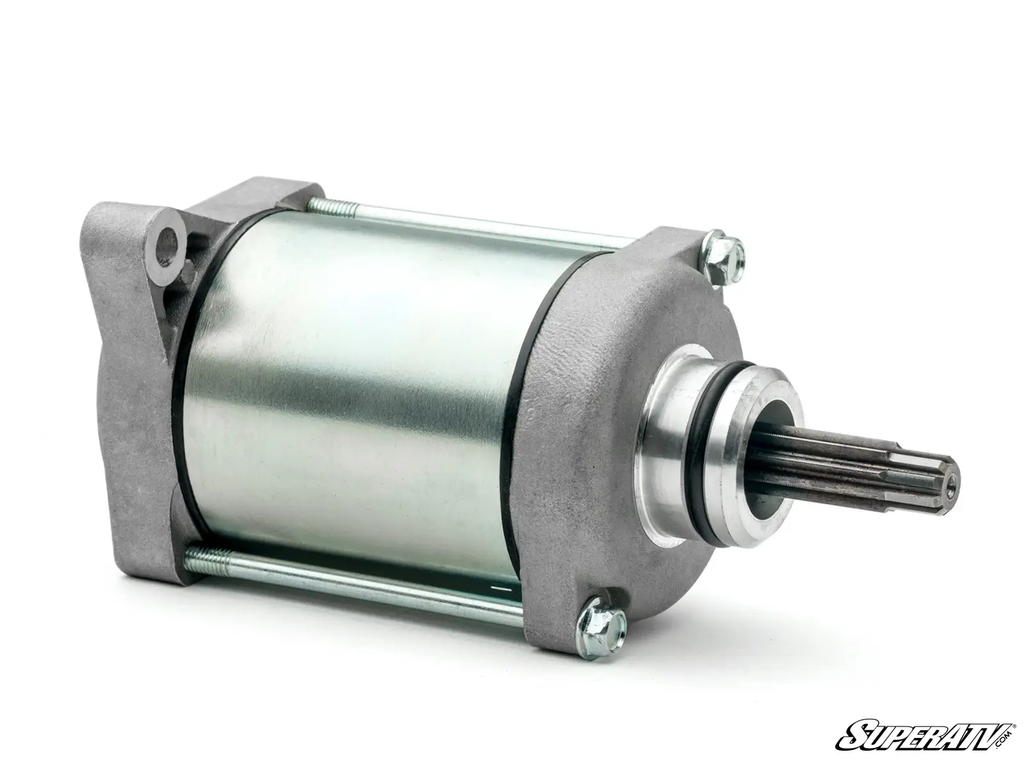
If you’ve confirmed the starter is the problem, check out SuperATV’s Up & Running Starter. Battery issues? We have a Motobatt Battery Replacement as well.
Sometimes your Foreman starts just fine but then doesn’t run well when you actually get going. It might hesitate when you hit the throttle, bog under load, idle roughly, stall, or just feel like it doesn’t have the power it normally does.
Before you freak out and assume something major is wrong, check the basics. Old or contaminated fuel, a dirty air filter, or a worn spark plug can all cause running problems. If those look good, you could be dealing with a fuel-delivery or electrical issue.
It also helps to pay attention to when it happens. Does it only bog when you give it gas? Does it run great cold and start acting up once it gets hot? These little details can help you narrow things down. This is one of those times that you really want to check your year and manual. Older Honda Foremans may be carbureted while newer models use fuel injection.
If the temperature warning comes on or your Foreman starts running way hotter than usual, don’t try to tough it out and finish the ride. It’ll probably end with you being stranded and having to shell out quite a bit of money on repairs. Just shut it down and let everything cool off before you start poking around.
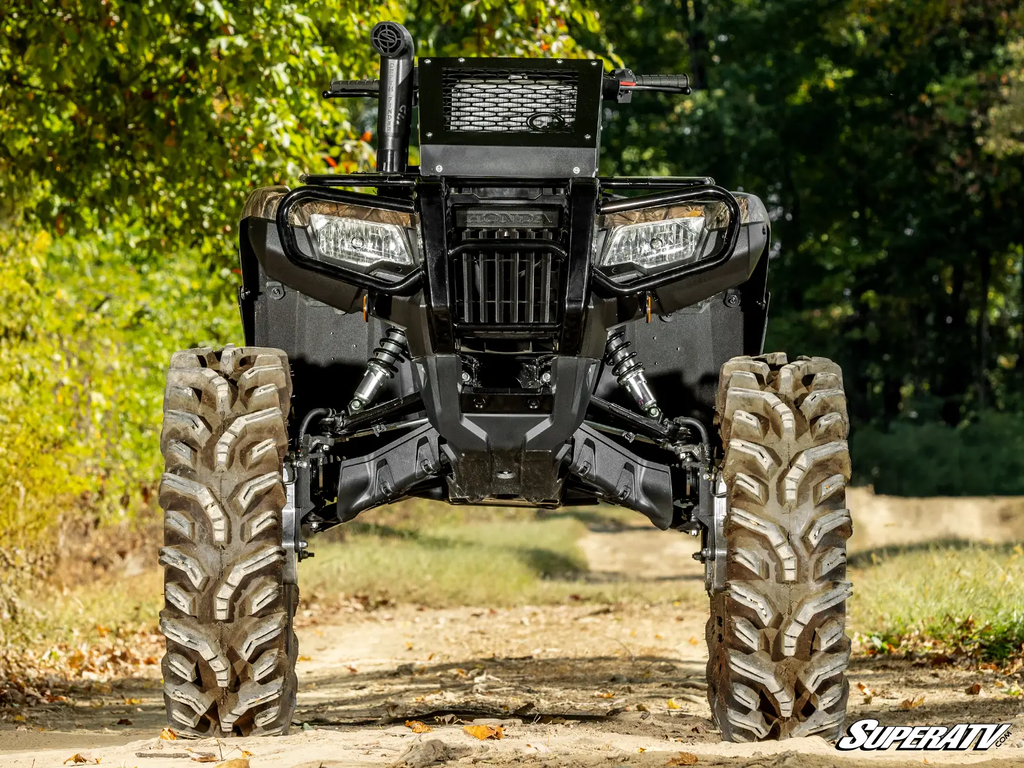
On liquid-cooled Foremans, overheating could come from low coolant, a radiator packed with mud, a leak, damaged hoses, or a cooling fan problem. The radiator is an easy place to start. If you’ve been riding through mud, grass, or deep brush, there could be enough junk packed in to block airflow.
Once everything is cooled down, look for leaks or damaged hoses and check the coolant according to your owner’s manual. Absolutely never pop the radiator cap while the system is hot. If everything looks fine but your Foreman keeps overheating, you’ll need to dig a little deeper into the cooling system.
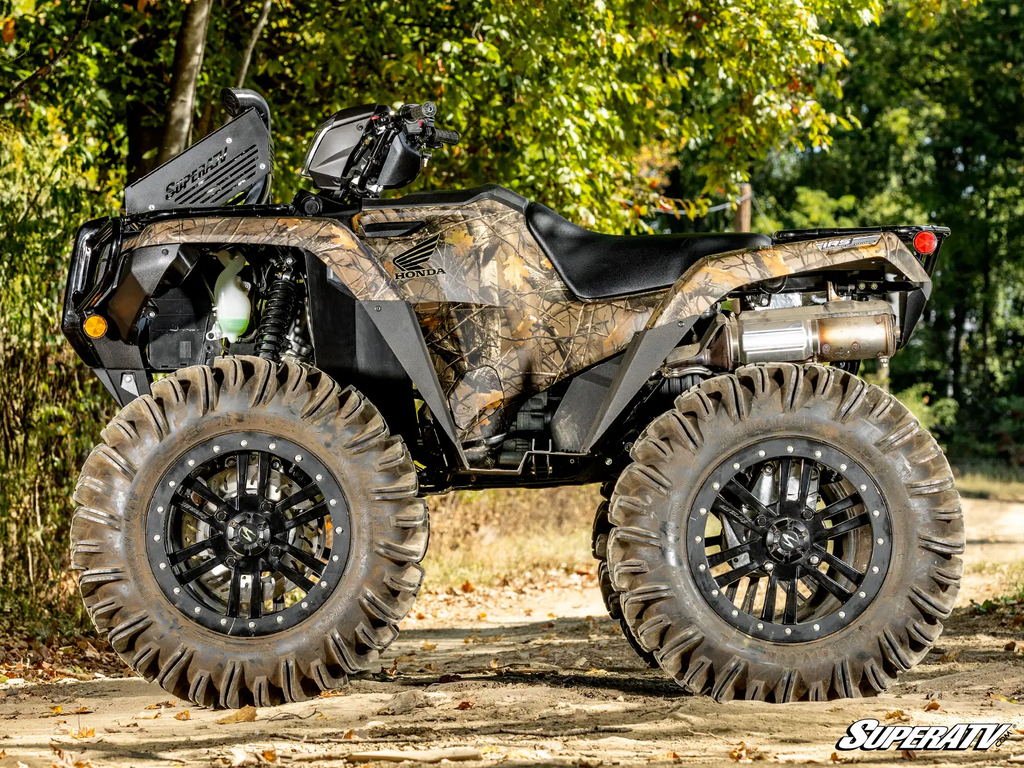
If you have a newer electric shift model, you change gears using two buttons on the left handlebar instead of operating a traditional foot shifter. So, you’re in your Foreman and you hit the up button—nothing. You hit it again—still nothing.
You might notice intermittent shifting, trouble getting into a different gear, or a flashing gear indicator. Before blaming the shift motor or another part, check the battery and electrical connections. Electric shift relies on the electrical system, so low voltage or a bad connection can cause problems.
If the battery and connections look good, pay attention to what the gear display is doing and check the diagnostic procedure for your exact model. Switches, wiring, sensors, and other shifting parts can cause similar symptoms, so you don’t want to start throwing parts at it.
Some Foremans that use electrical shifting also have an emergency gear-selection procedure. It can help you get your machine somewhere it can be loaded or serviced, but it’s not a fix for whatever caused the problem in the first place.
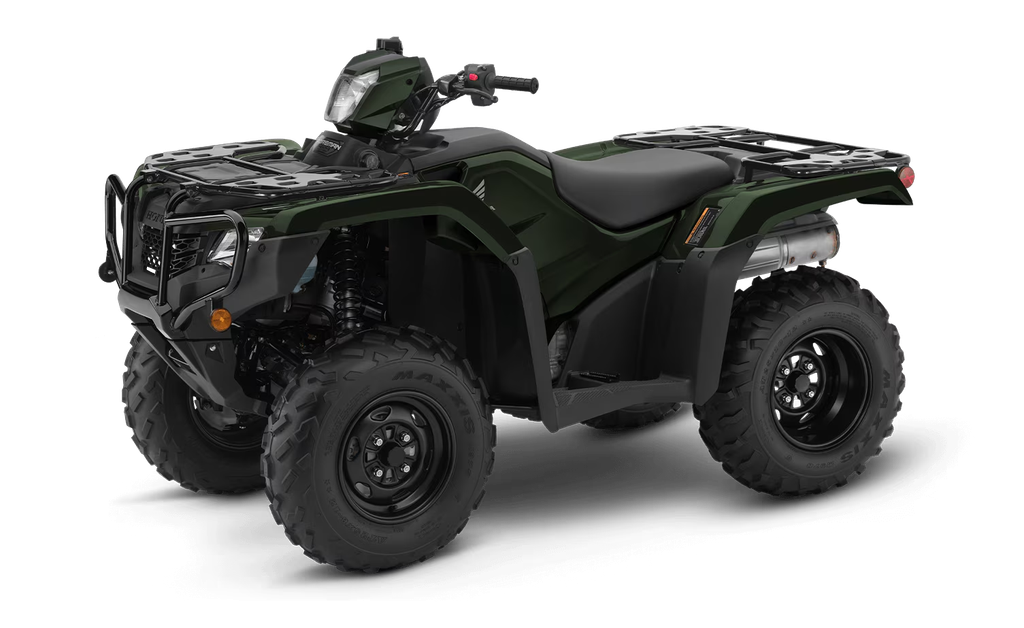
You know what your Foreman normally feels like, so you’ll probably notice pretty quickly if the steering suddenly gets sloppy. Wandering, pulling, clunking over bumps, or extra play through the handlebars are all good reasons to give the front end a once-over.
Start with your tires. Make sure the pressure is where it should be and look for damage or wear. If everything looks good there, check the steering and suspension for loose hardware, damage, or excessive play. Tie-rod ends, ball joints, bushings, and wheel bearings can all wear out over time.
Just don’t assume one clunk automatically means you need new ball joints or tie rods. There are several components that can cause similar symptoms. Find where the play or noise is actually coming from before you start buying replacements. And if the steering feels seriously loose, park your rig until you figure it out.
Once you know what needs replacing, check out SuperATV’s Honda Foreman parts and accessories for tires and suspension parts.
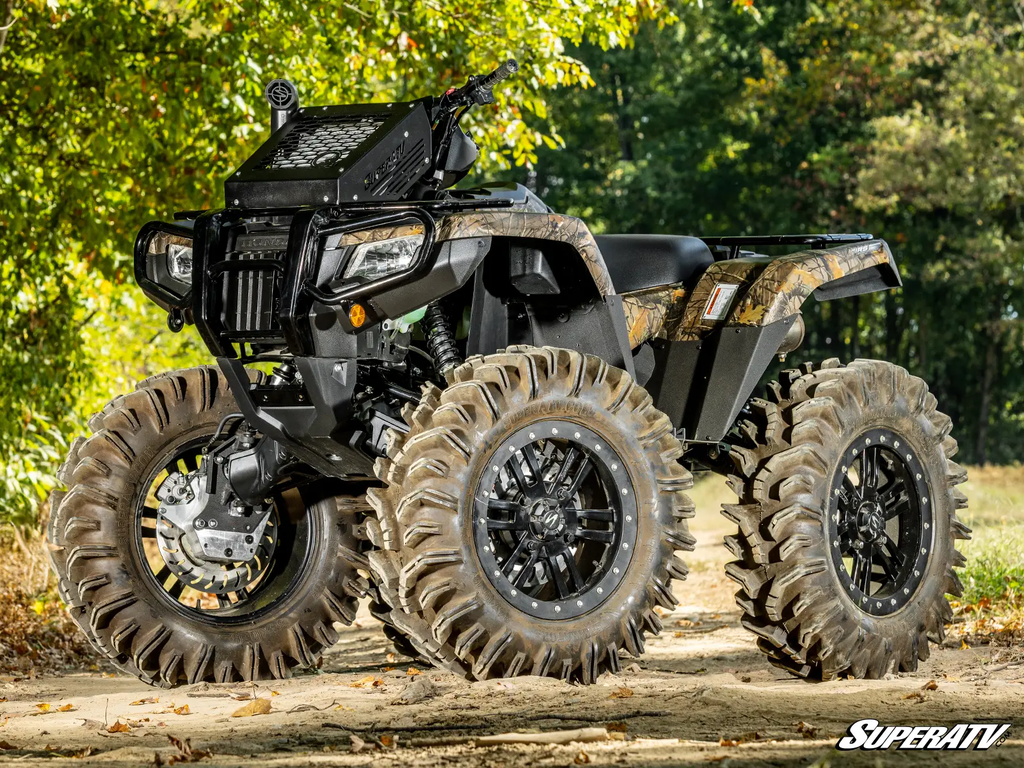
Do you hear a click every time you turn or feel a weird vibration when you hit the throttle? That means it’s probably time to get a little dirty on the ground to look at your axles and CV boots.
Your boots are a good place to start. Even a small tear can let grease out and mud, dirt, and water in. Your axle might still seem fine at first, but once that junk gets into the CV joint, it can start causing wear pretty quickly.
If you’re already hearing clicking or feeling vibration, inspect your axle and try to figure out exactly where it’s coming from. Remember that not every clunk underneath your Foreman means the axle is bad. Differentials and other driveline parts can make noise too, so it’s worth finding the actual source before ordering anything.
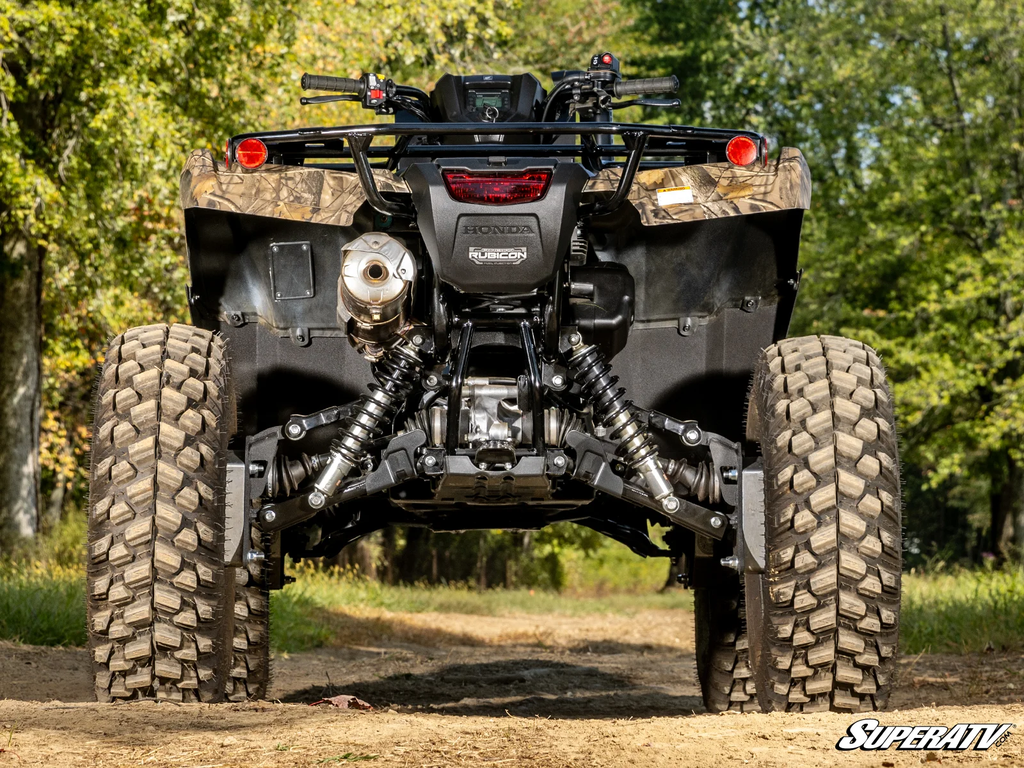
Your brakes usually give you some warning when something isn’t right. Your Foreman might take a little longer to stop, the lever or pedal suddenly feels soft, or you hear squealing, scraping, or grinding every time you slow down.
Take a look at the pads and surrounding brake components first. Check for obvious wear, damage, leaks, or mud packed around everything. If the lever or pedal feels softer than normal, check the brake fluid according to your owner’s manual.
If you’re hearing grinding or notice a big drop in braking power, don’t keep riding and hope it sorts itself out. Until you know what’s going on, be sure to keep your ATV parked. Brake setups can vary between Foreman models and years, so use the service procedure for your exact machine before bleeding, adjusting, or replacing anything.
If you’re looking for replacement parts or some enhancements, check out SuperATV’s Honda Foreman brake parts.
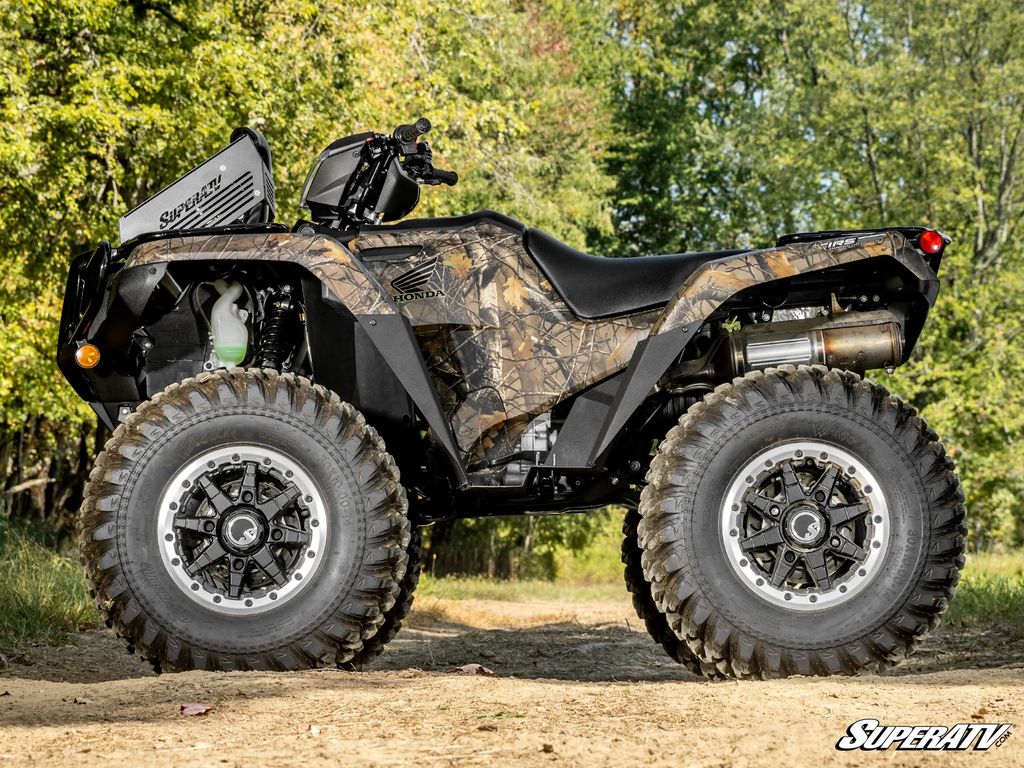
The annoying thing about problems with your Honda Foreman is that one symptom can point to a bunch of different causes. A Foreman that won’t start doesn’t automatically need a starter, and a clunk in the front end doesn’t automatically mean your ball joints are shot.
Pay attention to what your Foreman is doing and when it happens. Start with the simple stuff, use the manual for your exact model and year, and bring in a qualified technician when the problem needs more testing than you can do at home.
Once you know what actually needs replacing, or you just want some upgrades, head over to check out SuperATV’s Honda Foreman parts and accessories.
Disclaimer: This article was written by an employee of SuperATV. The views, opinions, and recommendations expressed in this blog are the writer’s own and do not necessarily reflect those of SuperATV. This content is provided for informational purposes only and is not intended as safety advice or official technical guidance. Modifying vehicles and using aftermarket parts can impact performance and safety. Readers are responsible for ensuring proper installation, compatibility, and safe operation. SuperATV makes no representations or warranties regarding the accuracy or completeness of this information and assumes no liability for any actions taken based on it.