The Honda Foreman has earned a reputation for being a dependable workhorse. It can spend the morning hauling, towing, or working around the property and then head out for a trail ride in the afternoon without missing a beat.
Just because it’s dependable doesn’t mean maintenance-free. Every mile adds wear and tear. Throw in mud, water, dust, and heavy use, and it’ll start to wear faster. Ignoring a strange noise, worn tire, dirty filter, or low fluid might not seem like a big deal at first, but those little problems have a way of becoming much bigger ones, fast.
The good news is that staying ahead of maintenance is pretty easy and straightforward. A little time spent looking things over can help you find problems early and keep your Foreman ready for whatever is thrown at it.
Honda’s maintenance requirements aren’t the same for every Foreman. The model and year matter, and Honda recommends consulting the owner’s manual for the appropriate service schedule. Riding in extremely dusty, wet, or muddy conditions can also call for more frequent service.
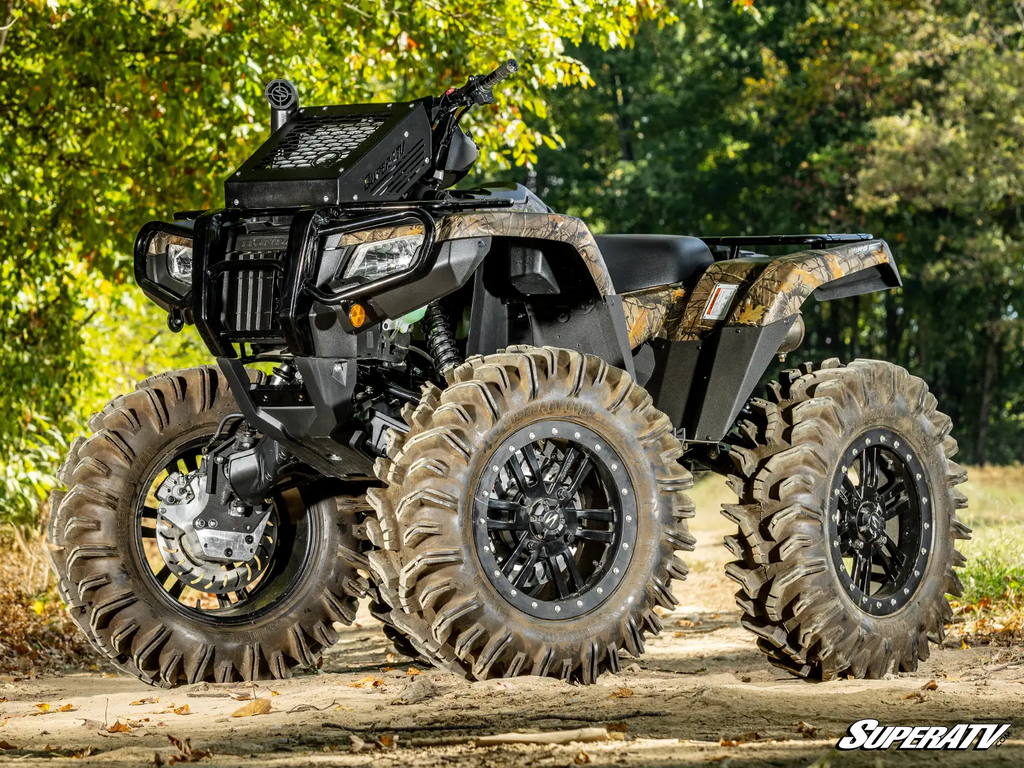
You don’t need a toolbox full of equipment to give your Foreman a pre-ride inspection. Hold onto this checklist to make things a little easier.
Before you ride:
Don’t overlook the controls either. Your throttle should move freely and return properly, while the steering should move without binding or excessive play.
It takes only a few minutes, but finding a loose wheel or damaged part in your garage is a lot better than discovering it miles down a trail.

Your Honda Foreman’s engine works hard, so you have to keep clean oil circulating through it. That should be pretty high on your maintenance list.
Check the oil level and change the oil at the specified interval in your owner’s manual.. When it’s time for an oil change, replace the oil filter when it’s required and use the oil specification recommended for your particular model and year.
Don’t assume every Foreman uses the exact same oil or service schedule. Honda’s manuals specify different maintenance requirements across models and years, so your owner’s manual should be your source for the correct oil, capacity, and changing intervals.
We recommend that after you change your oil, you take a second to make sure the drain area and filter aren’t leaking.
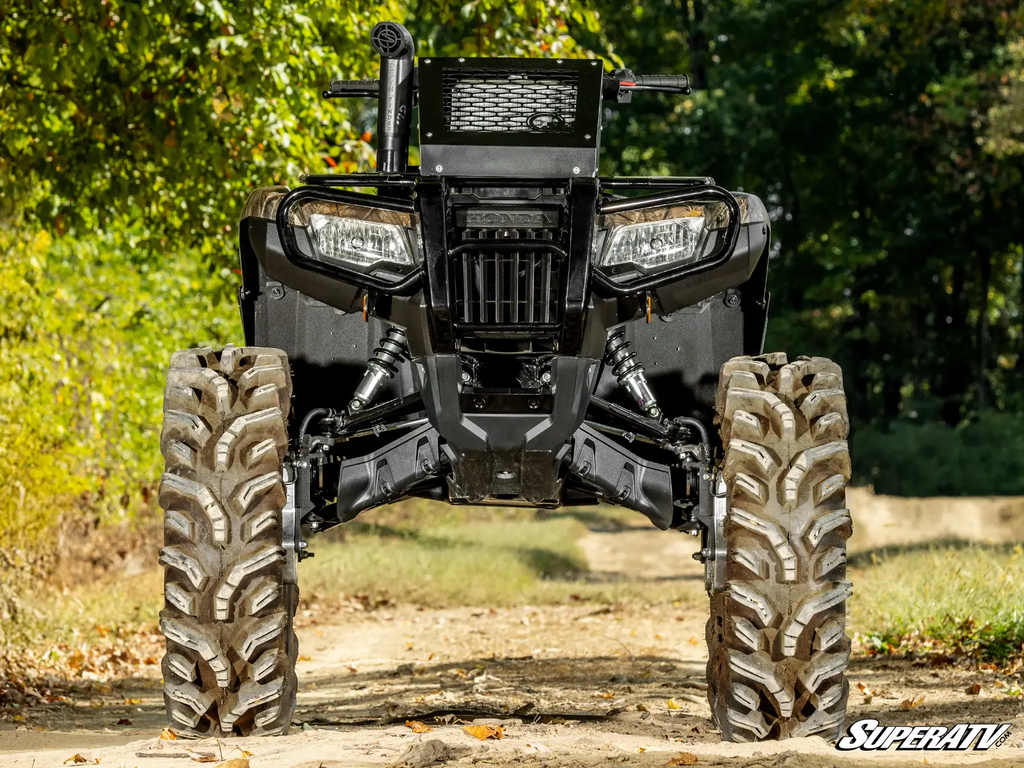
Dusty trails aren’t exactly good for your engine’s intake system. Your air filter is there to keep dirt from getting where it shouldn’t, so give it some attention frequently if you ride in dusty or dirty conditions.
Inspect the filter regularly and clean or replace it according to the filter type and Honda’s instructions. It’s also worth looking for signs that dirt is getting past the filter. Air-filter service will need to happen more often when you’re riding in dusty conditions.
Your spark plug also deserves attention. Look for wear and replace it according to the maintenance schedule for your Foreman. Use the plug and gap specified for your machine rather than assuming the same setup applies to every model.
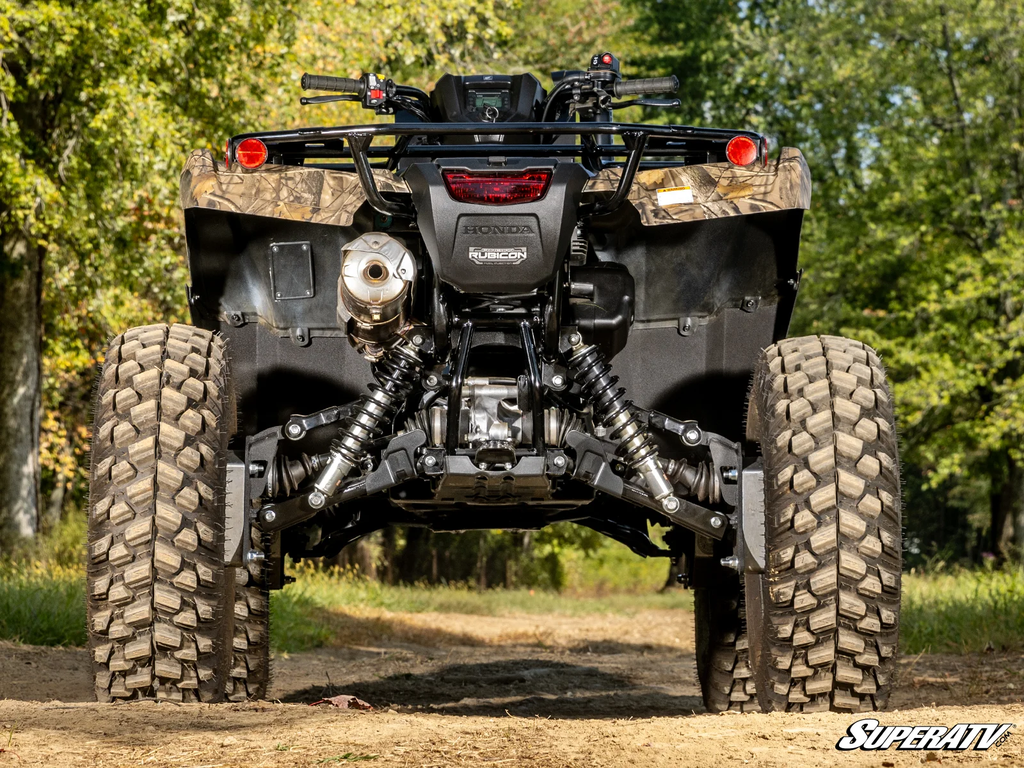
Your Foreman’s drivetrain deals with plenty of stress when you’re crawling over rough terrain or pushing hard in tough situations. A damaged CV boot, worn bearing, or other drivetrain problem can get expensive if you let it go too long.
Look over the CV boots for cracks, tears, or grease escaping from the boot. Check the axle areas for signs of damage, and pay attention to any new clicking, vibration, or drivetrain noises.
Wheel bearings need a look as well. Excessive wheel play, roughness when the wheel rotates, or unusual noises can indicate a bearing that’s starting to wear out.
If something feels different from the last time you rode, don’t ignore it. Your Foreman is often pretty good at telling you when something needs attention.
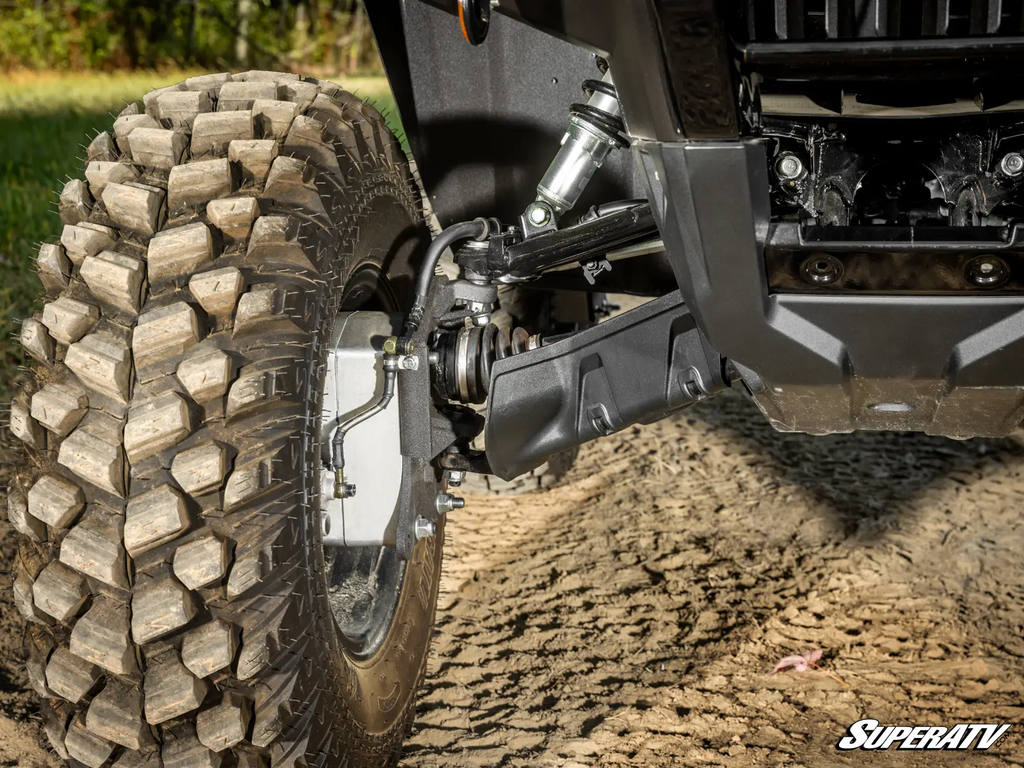
Your brakes and your suspension take a beating on uneven terrain, especially when your Foreman is carrying a load or working its way over rocks and other obstacles.
Look over your brakes for wear and damage, including the pads and rotors, as well as the drum brakes. Check brake fluid and lines, and pay attention to any change in how the brakes feel or perform.
Then you need to move on to your suspension. Examine your A-arms, ball joints, bushings, shocks, and other components for damage, looseness, or excessive wear. After a hard impact, look for anything bent or out of position.
If you find worn suspension parts, replacing them before they become a bigger problem can help keep your Foreman handling the way it should. Plus, it’ll save you a decent amount of money in the end.
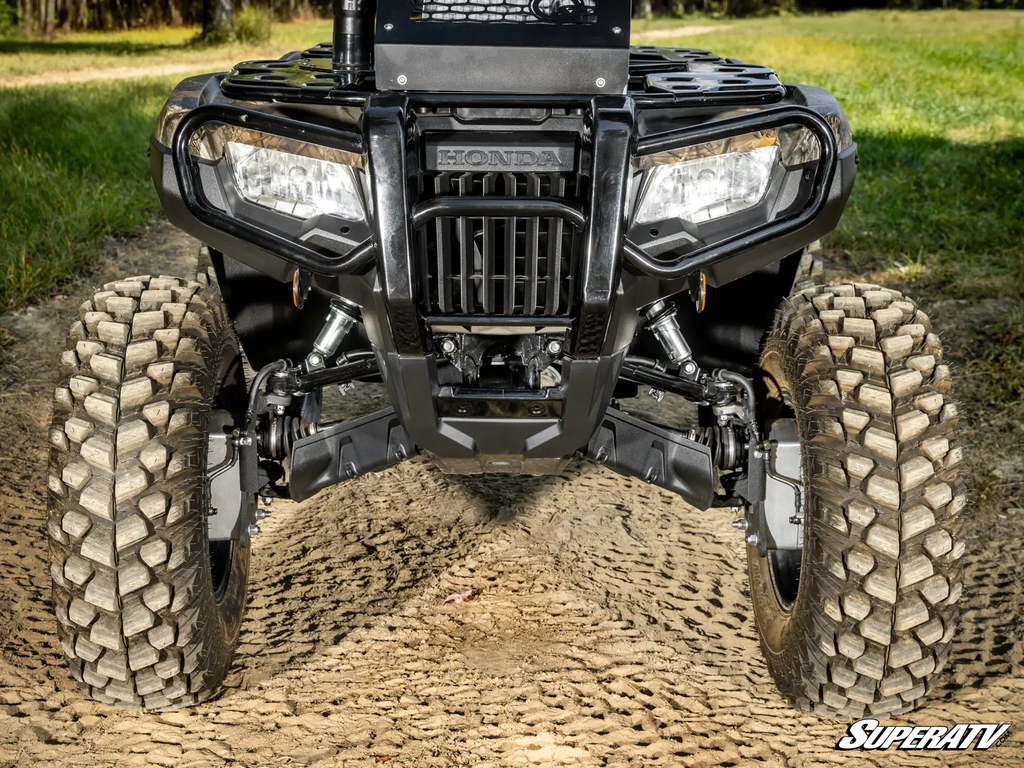
A Foreman can have a perfectly healthy engine and still leave you sitting there if the battery or electrical system isn’t working like it should.
You’ll want to start with the battery terminals. Corrosion can interfere with the connection, so keep the terminals clean and make sure the connections are secure. Always look over the wiring as well, especially around areas where it could rub against the frame or other components.
Check your fuses and make sure your lights, horn, and other electrical components are working properly. If you’ve installed accessories such as a winch or lighting, you need to include their wiring and connections in your inspection.
For longer periods of storage, keep the battery charged with an appropriate maintainer when recommended.
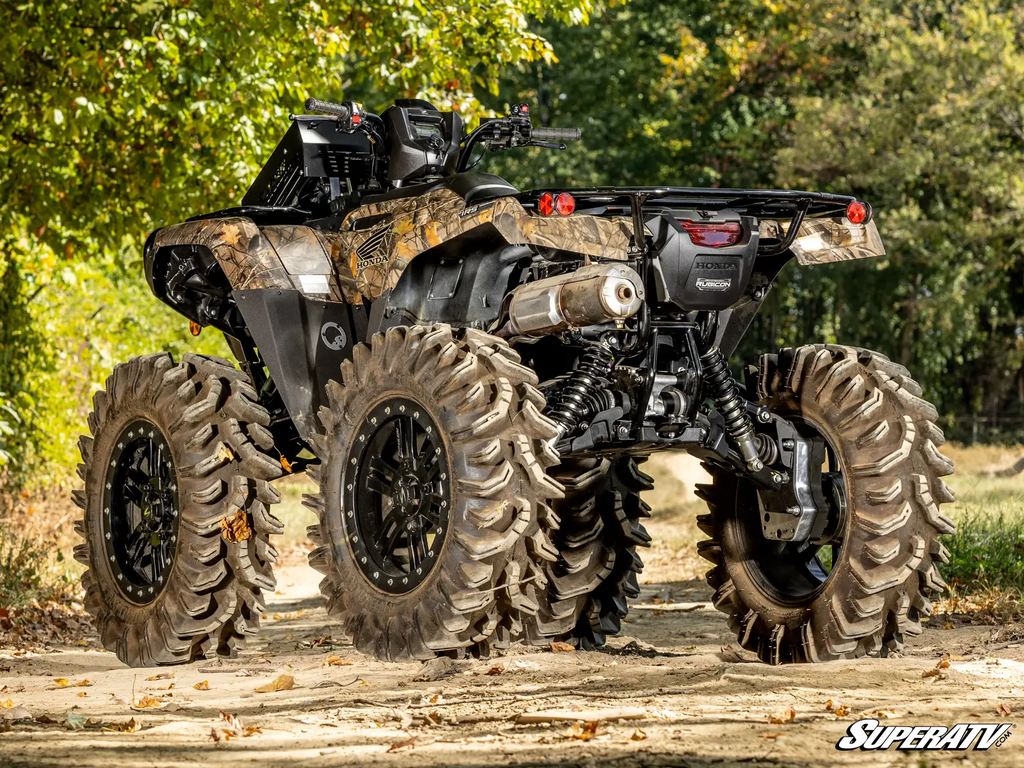
What you do after a ride can be just as important as what you do before one. If your Foreman comes home covered in mud, don’t just park it and call it a day.
Clear debris from around the air intake and radiator, and look over the brakes, CV boots, suspension, and undercarriage. Mud packed into these areas can hide damage and keep moisture against components.
It’s also a good time to look underneath your Honda Foreman for fresh leaks, damage, bent parts, or hardware that may have worked loose.
If you’ve been riding through mud or water, rinse the machine off and give it time to dry. Avoid directing high-pressure water at sensitive parts. Always lubricate pivot points and controls as recommended by your Honda owner’s manual.

When riding season comes to an end, don’t just throw a cover over your Foreman and forget about it until next season.
Always give it a thorough cleaning first. Make sure to pay attention to mud and debris that could hold moisture against your machine. Take care of any maintenance that’s coming up according to your manual and riding style, check fluids, and follow Honda’s recommendations for preparing the fuel system for storage.
The battery should also be addressed before your ATV sits for an extended period of time. Always make sure to keep it properly charged.
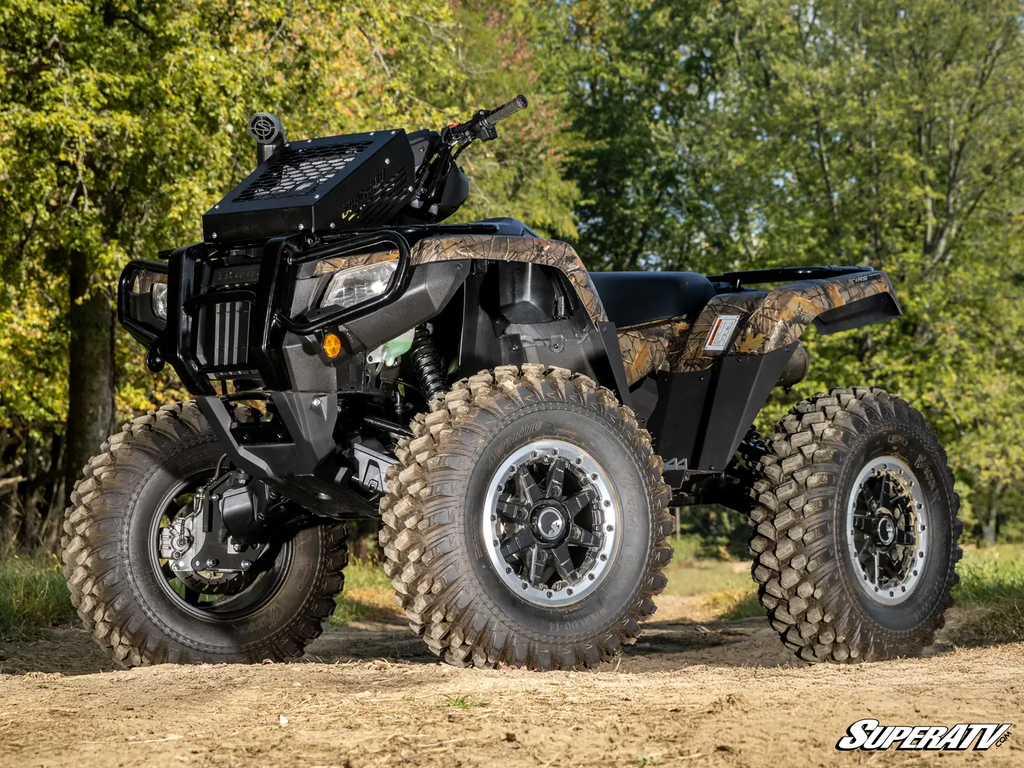
Taking care of your Foreman doesn’t require you to spend every weekend in the garage. Staying aware of how your ATV looks, sounds, and feels can help you spot problems early, while following Honda’s maintenance schedule takes care of the bigger problems before they happen.
Remember that there’s no single maintenance schedule that applies to every Honda Foreman. Use the owner’s manual for your specific model and year when you’re determining service intervals, fluid requirements, capacities, and procedures.
Keep up with the basics, fix worn parts when you find them, and give your Foreman the protection it needs. Then you can spend less time worrying about your machine and more time putting it to work.
Whether it’s time for some maintenance upgrades or you just want to enhance your already capable machine, check out SuperATV for all of your Honda Foreman needs.