Your Kawasaki Mule PRO-FXT probably spends more time working and playing than sitting clean in the garage. Whether it’s hauling tools, handling chores around the property, or carrying your crew through trails, it gets put through a lot. Keeping up with maintenance helps make sure it’s ready whenever you need it.
Every hour of work puts wear on the belt, bearings, filters, suspension parts, and other components. Dust, mud, water, heavy loads, and long periods of low-speed driving can make that wear happen even faster. If you ignore routine service long enough, a small problem can turn into an expensive repair—or even leave you stuck.
The good news is that maintenance doesn’t have to be difficult. A few quick inspections before and after use along with regular service can help you catch problems early and keep your machine working the way it should.
Note: Always refer to the owner’s manual for your specific model year because service intervals, torque specs, fluid capacities, and parts may vary between Mule PRO-FXT models.

In addition to your owner’s manual, keep this checklist handy as a guide for what to look over before and after every workday or ride.
Before Every Ride
After Every Ride
The Mule PRO-FXT may be a workhorse, but loaded beds, steep hills, water crossings, and dusty roads still take their toll. Even low-speed work can create heat when the engine and CVT are working hard with limited airflow, especially if the radiator is clogged with mud or debris.
Other problems can start small. A torn CV boot, loose battery terminal, or worn bushing can turn into expensive fixes. Pay attention to changes in how your rig sounds and feels. Slow cranking, sloppy steering, unusual shifting, extra heat, or new noises can all be signs that something needs attention.
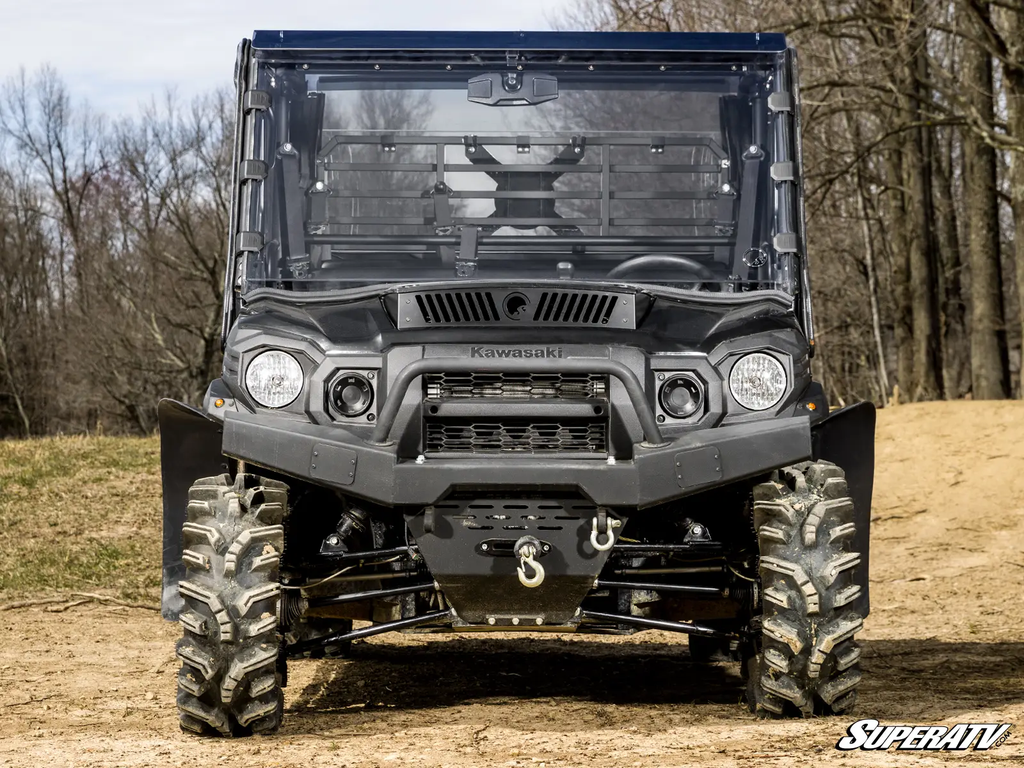
Check your engine oil level regularly and change the oil and filter according to Kawasaki’s recommended intervals. Before doing an oil change, you’ll want to confirm your model year since engine size, oil capacity, filters, and other requirements can vary. Always refill slowly, check for leaks, and use the factory procedure to verify the final level.
Next, inspect the air filter for dirt, moisture, tears, or poor sealing. It’s especially important to do this after dusty rides. Clear any debris from the airbox and check the intake tubes and clamps while you’re there.
Keep the radiator clean as well. Mud, grass, and other debris can block airflow and cause overheating, so inspect the fins, coolant level, hoses, and clamps regularly. If you notice a temperature warning, coolant smell, reduced power, or other signs of overheating, stop and investigate the problem before you go any further.

Hauling, towing, and slow-speed work put extra heat and strain on your Mule’s CVT. Use low range when it’s recommended and inspect the drive belt for cracks, glazing, frayed edges, or uneven wear. Squealing, slipping, sluggish engagement, or a burnt-rubber smell can also point to belt trouble. Keep the CVT intake and exhaust ducts clear, and follow Kawasaki’s procedure if water enters the housing.
Check transmission and gearcase fluids at the recommended intervals and watch for leaks, milky fluid, metal debris, or unusual gear noise. Inspect CV boots, tie rods, ball joints, bushings, shocks, wheel bearings, and other suspension parts for wear or damage. If your FXT regularly handles heavy loads or rough terrain you’ll want some heavy-duty upgrades.
Check out SuperATV for all of your suspension needs.
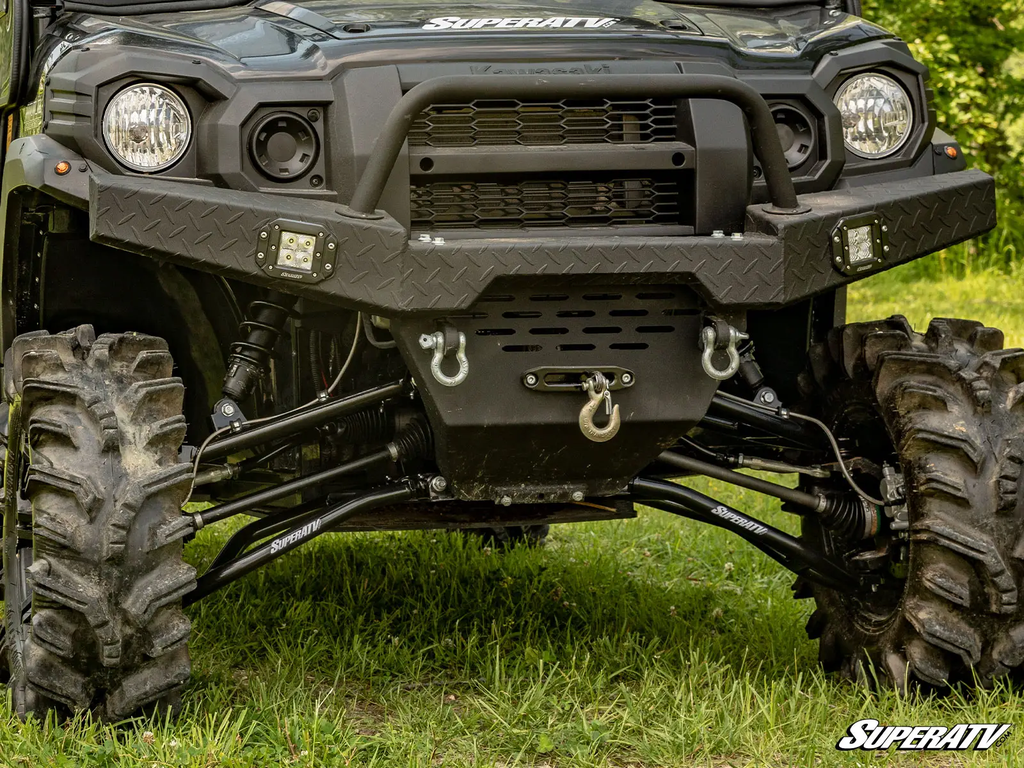
Be sure to check your brake-fluid level, lines, hoses, pads, and rotors regularly. Test the parking brake in a safe area. A soft pedal, pulling, grinding, vibration, or longer stopping distance means your brakes need attention.
Check cold tire pressure and inspect the tread and sidewalls for damage or uneven wear. Make sure your wheels and lug nuts are secure, and clear away any mud buildup that could cause vibration.
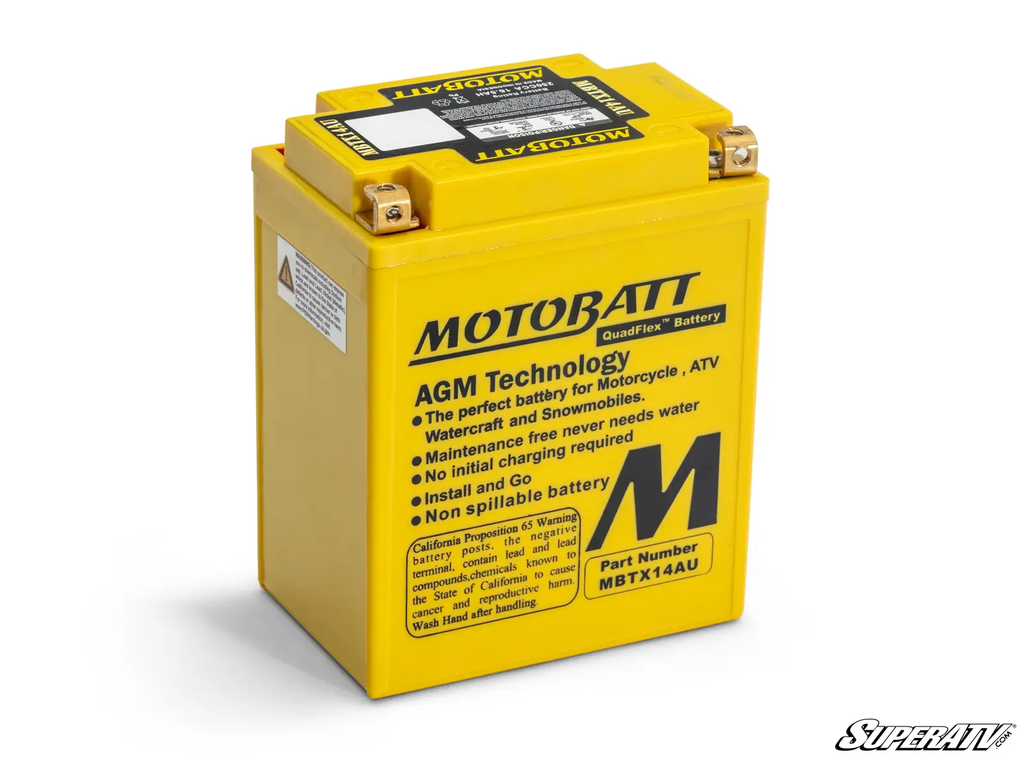
You’ll want to inspect the battery connections and wiring for corrosion, damage, or loose connections. If your Kawasaki Mule cranks slowly or repeatedly loses its charge, test the battery and charging system instead of relying on jump-starts.
If you’re looking for a replacement battery, SuperATV’s Motobatt Battery is the perfect upgrade.
Before storing your Mule FXT for an extended period, give it a thorough cleaning and take care of any maintenance issues you come across. Follow your manual for fuel storage, charge the battery or connect an approved maintainer, check tire pressure, and park it in a dry, ventilated area. It’s also a good idea to protect vulnerable openings and wiring from rodents.
When it’s time to get your rig back out for work or play, give it another inspection before starting it up. Look for nests, damaged wiring, leaks, stale fuel, or low tires, then check the fluids, brakes, lights, steering, and drivetrain. Taking a few minutes to look everything over can help you catch problems that developed while it was sitting.

Keeping your Kawasaki Mule Pro-FXT in good shape doesn’t require spending every weekend in the garage. Staying on top of basic maintenance can help prevent bigger problems, reduce repair costs, and keep your Mule ready for work or the trail.
Give your machine a quick once-over before and after you use it, and follow the service schedule in your owner’s manual for your specific model. A little attention now can help keep your Mule PRO-FXT running strong for the long haul.
Disclaimer: This article was written by an employee of SuperATV. The views, opinions, and recommendations expressed in this blog are the writer’s own and do not necessarily reflect those of SuperATV. This content is provided for informational purposes only and is not intended as safety advice or official technical guidance. Modifying vehicles and using aftermarket parts can impact performance and safety. Readers are responsible for ensuring proper installation, compatibility, and safe operation. SuperATV makes no representations or warranties regarding the accuracy or completeness of this information and assumes no liability for any actions taken based on it.

