
We all know the guy that refuses to put anything less than 93 octane fuel in his RZR. He might even spout off some good-sounding reasons why 93 octane is the way to go: it’s cleaner, has less ethanol, and his engine performs better.
Or maybe he does it simply for peace of mind. Better safe than sorry, right?
We’re here to clear up any confusion you or your riding friends might have about octane rating. Namely, should you run premium gas in your UTV or ATV?
The truth is that you should run the manufacturer-recommended fuel. Running lower octane than the minimum recommended is a bad idea, and running more doesn’t help much. Here’s why.
Octane itself refers to a hydrocarbon molecule made of eight carbon and 18 hydrogen atoms. It’s a key ingredient in fuel. But ask any three people you run into what the octane-rating number means and you’ll hear everything from it being the amount of octane in the fuel to that fuel’s ability to burn better.
In reality, octane is all about knock resistance. Knock is caused by the abnormal ignition of fuel in the cylinder, which causes a pinging or knock sound from the shockwave and can cause damage, either instantly or over time.
The octane rating you see when you go to the pump refers to how that gas compares to the reference mixtures. If it has the same knock resistance as a reference fuel made of 87% octane (along with other stuff), then that gas gets and 87 octane rating. If the knock resistance matches a reference fuel with 91% octane, then it gets a 91 octane rating.
For race fuels with octane ratings over 100, that just means they match the knock resistance of a reference fuel that has greater knock resistance than 100% pure octane fuels.

But what does that mean practically in an internal combustion engine like that found in your RZR, Maverick, or any UTV that runs on gasoline? To understand how octane effects your engine, you first need to understand how the pistons in your engine work.
The engine in your UTV is a four-stroke engine which means each piston completes four actions in a cycle to drive the crankshaft. In the first stroke, the piston lowers in the combustion chamber and the chamber fills with a mixture of atomized gasoline and air.
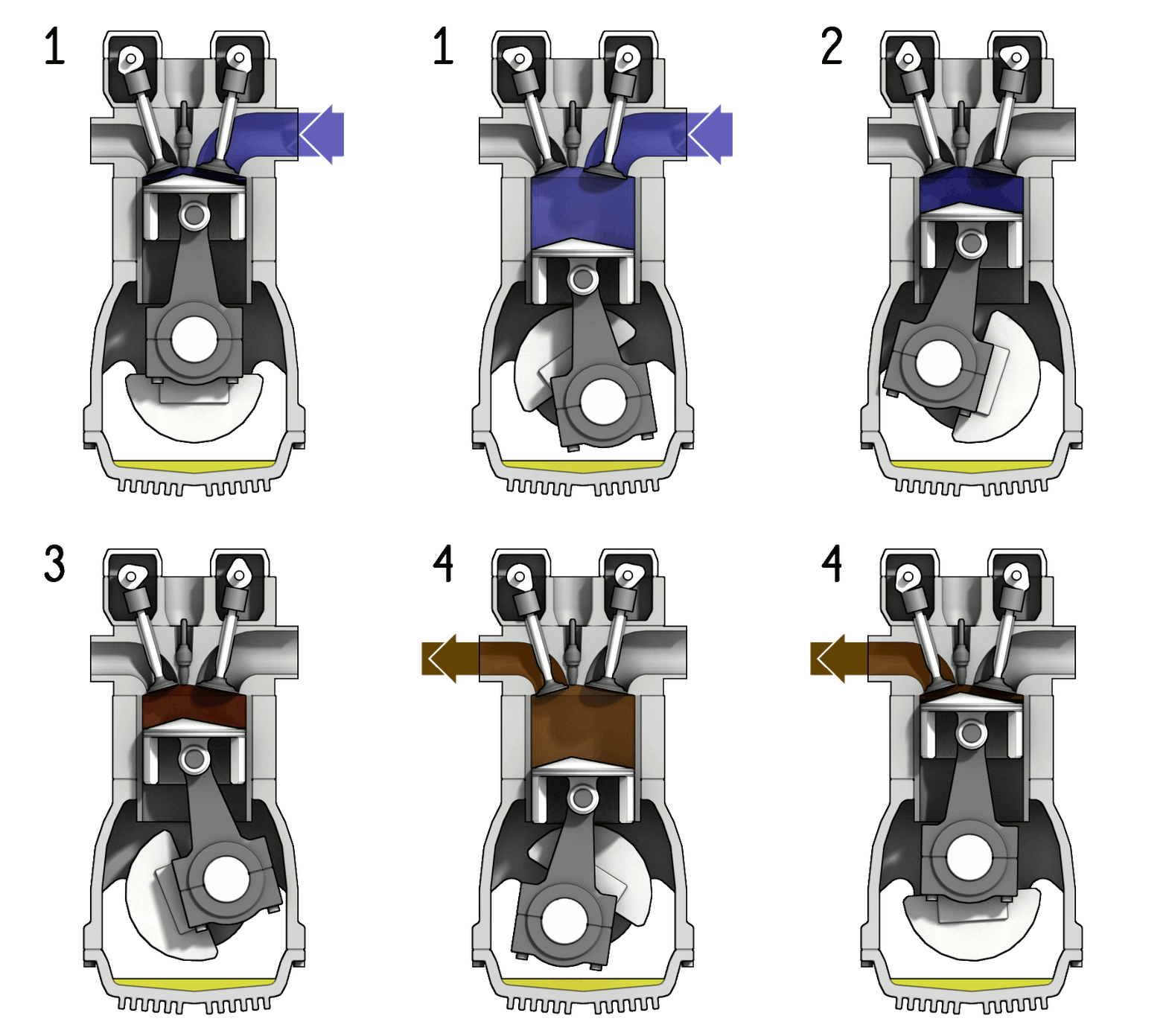
In the second stroke, the piston moves up again, compressing the gas and air mixture. This compression causes the mixture to heat up. Then, when the spark plug at the top of the chamber fires, the mixture combusts to drive the piston back down. The driven-down piston turns the crankshaft during the third stroke. It’s not exactly an explosion, but the hot gases expand similar to the way gunpowder drives a bullet out of the barrel.
And finally, the fourth stroke expels the exhaust and returns the piston to its topmost position so the cycle can start again.
But let’s focus on the second and third stroke right now—that’s where your fuel’s octane rating comes into play. The second stroke is all about the piston’s and combustion chamber’s compression ratio. The compression ratio is ratio of the volumes when the piston is fully down and when it’s fully up.
The amount the mixture compresses and the moment the spark plug fires determine the needed octane rating of the fuel. And lower octane fuels are more susceptible to knock than high octane fuels.
If you use a low 87 octane fuel in an engine that calls for higher octane, the compression and the heat from normal combustion can cause the fuel to ignite separately from the spark and create a shockwave.
When that happens, you get “detonation” or “knocking” which can be really bad. Knocking sends a pressure wave through your engine components and cause damage.
Sometimes knocking is just an annoying noise, but it can cause you to lose power in that stroke. At worst, you can destroy your piston. It’s not good. Machines equipped with knock sensors can counteract this problem, but it’s not a foolproof solution that can completely prevent damage. And even if there aren’t immediate consequences, knocking can cause serious wear and tear over time.

Now let’s talk about the opposite situation: running a high-octane fuel in an engine that only calls for 87. What happens then?
With normal pump gas, mostly nothing. You generally don’t get better performance (you might see a little improvement if you’re towing or carrying a heavy load in hot weather), a cleaner engine, or any other real benefit. What you do get is a lighter wallet.
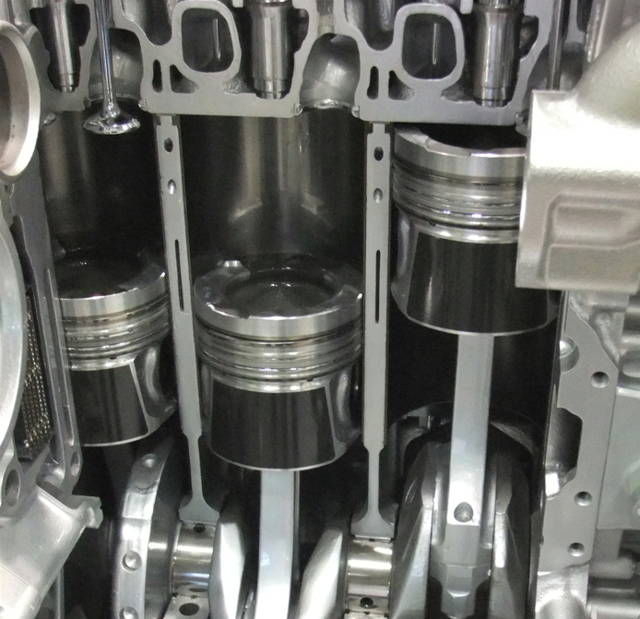
By now you know it’s always best to use the fuel that’s recommended by the manufacturer for your engine. That’s why we’ve gathered up the fuel requirements listed in the owner’s manuals for Polaris, Can-Am, Honda, and CFMOTO models that you folks ask about most. We confirmed a representative year model that should be accurate across most years, but always doublecheck using your make and models specific user manual (which you can find below).
| Polaris Model | Model year | Recommended octane |
|---|---|---|
| Polaris Sportsman 570 | 2026 | 87 |
| Polaris Ranger 1000 / XP 1000, including Crew | 2025 | 87 |
| Polaris General 1000 | 2026 | 87 |
| Polaris RZR Trail / Trail S | 2026 | 87 |
| Polaris RZR XP / XP S, including four-seat models | 2026 | 91 recommended; 87 minimum |
| Polaris RZR Pro XP / Pro S / Pro R | 2026 | 91 |
| Polaris Xpedition ADV / ADV 5 | 2026 | 91 recommended; 87 minimum |
| Can-Am Model | Model year | Recommended octane |
| Can-Am Outlander 500 / 700 | 2026 | 87 |
| Can-Am Outlander 850 / 1000R | 2026 | 91 |
| Can-Am Defender HD7 / HD9 / HD10 | 2026 | 87 |
| Can-Am Defender HD11 | 2026 | 91 recommended; 87 minimum |
| Can-Am Commander 700 | 2026 | 87 |
| Can-Am Commander 1000R | 2026 | 91 |
| Can-Am Maverick X3 / Maverick R | 2026 | 91 |
| Can-Am Maverick Sport 1000R | 2026 | 91 |
| Honda Model | Model year | Recommended octane |
| Honda Pioneer 700 / 700-4 | 2026 | 86 minimum; regular 87 meets requirement |
| Honda Pioneer 1000 / 1000-5 Deluxe | 2026 | 86 minimum; regular 87 meets requirement |
| Honda Talon 1000X / 1000R, including four-seat models | 2026 | 86 minimum; regular 87 meets requirement |
| CFMOTO Model | Model year | Recommended octane |
| CFMOTO ZForce 800 Trail / 950 Trail / 950 Sport / 950 Sport-4 | 2026 | 89 |
| CFMOTO UForce 1000 / 1000 XL | 2026 | 89 |
| CFMOTO UForce U10 / U10 XL PRO / PRO HIGHLAND | 2025 | 89 |
| CFMOTO CForce 800 Touring / 1000 Touring / 1000 Overland | 2026 | 89 |
If you want to know if you should run premium gas in your ATV or UTV and we didn’t list it above, the answer is always in your owner’s manual, which you can find here:
Hopefully we’ve busted some misconceptions for you and now you can save a few bucks every time you fill up. Next time you’re out on a ride with your friends and the conversation turns to what octane everybody’s running, don’t stick your nose up in the air and say “well actually…” Instead, just put the money you saved toward an awesome upgrade from SuperATV.
Disclaimer: This article was written by an employee of SuperATV. The views, opinions, and recommendations expressed in this blog are the writer’s own and do not necessarily reflect those of SuperATV. This content is provided for informational purposes only and is not intended as safety advice or official technical guidance. Modifying vehicles and using aftermarket parts can impact performance and safety. Readers are responsible for ensuring proper installation, compatibility, and safe operation. SuperATV makes no representations or warranties regarding the accuracy or completeness of this information and assumes no liability for any actions taken based on it.



4 Comments
Good article.
My 19 BRP Commander 1000 requires 91 octane as per the manual and the fuel cap. FYI. It’s not just the Mavericks…
Car are truly great! It’s the best machine.
I have been running the higher octane at pumps its either 91 or 93 depends on station. I bought a new snowblower a few years ago and ran 87 octane and if it sat for a month the gas would harden up in the jets. After i paid to have it fixed i only puy high octane in it and never had a problem after that. It did do i twice to me with 87. I use high octan in my 4 wheeler just cause i dont want that problem again. Would rather run 87 it is cheaper and maybe it would run better but not sure what to do after reading this column
Hi Bill! Thanks for reading. We recommend you check your owner’s manual and run the octane that the manufacturer suggestions. That’s what your ATV’s engine was made for!