A winch is your best friend when you’re off-roading. Whether you’re hitting the trails, rock crawling, or plowing through some mud, there’s always a chance of you or your buddy getting stuck. That’s why having a winch installed is essential—you’ll always be able to get out of a sticky situation.
Not all winches are created equal, and one key decision you’ll have to face is whether to run a synthetic rope or steel cable. Both have their strengths and weaknesses, and picking the right one can make a big difference—not just with performance, but with safety and longevity as well.
Let’s break it down so you can decide which winch rope is the best for your ATV or UTV.
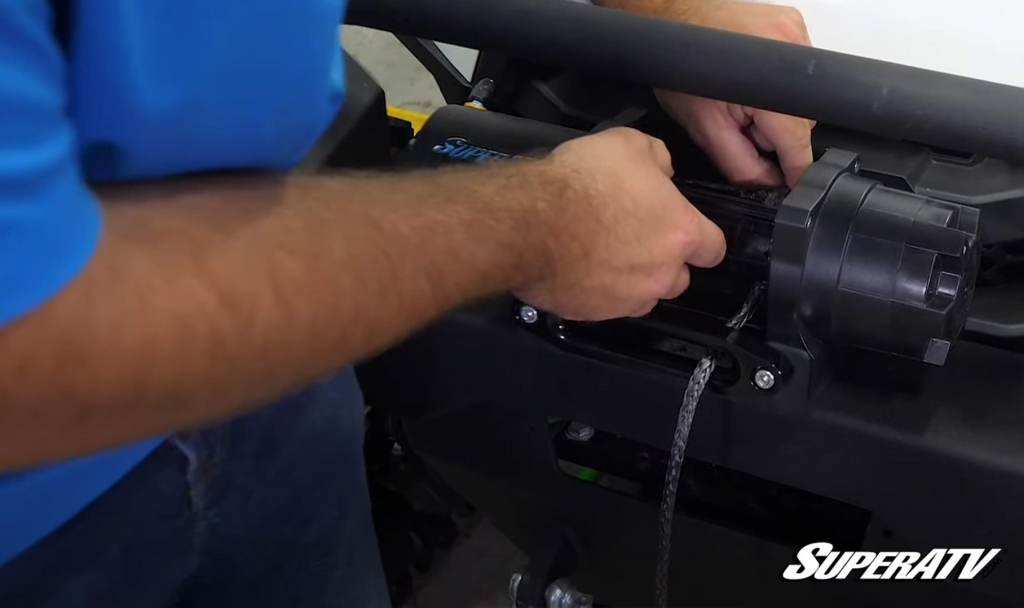
A winch is essential off-road, but choosing between synthetic rope and steel cable is key for safety and performance. Photo by SuperATV.
Why Does Winch Cable Type Matter?
Overlooking the winch rope itself is easy, but it’s doing the heavy lifting—it’s something you have to pay attention to. Whether you’re trying to haul something or need to pull your buddy out of a mud hole, your cable needs to be strong, reliable, and safe to use under pressure.
There are two types of winch lines:
Steel cable: the traditional go-to for many riders.
Synthetic rope: a newer, increasingly popular option.
Each has pros and cons depending on how and where you ride.
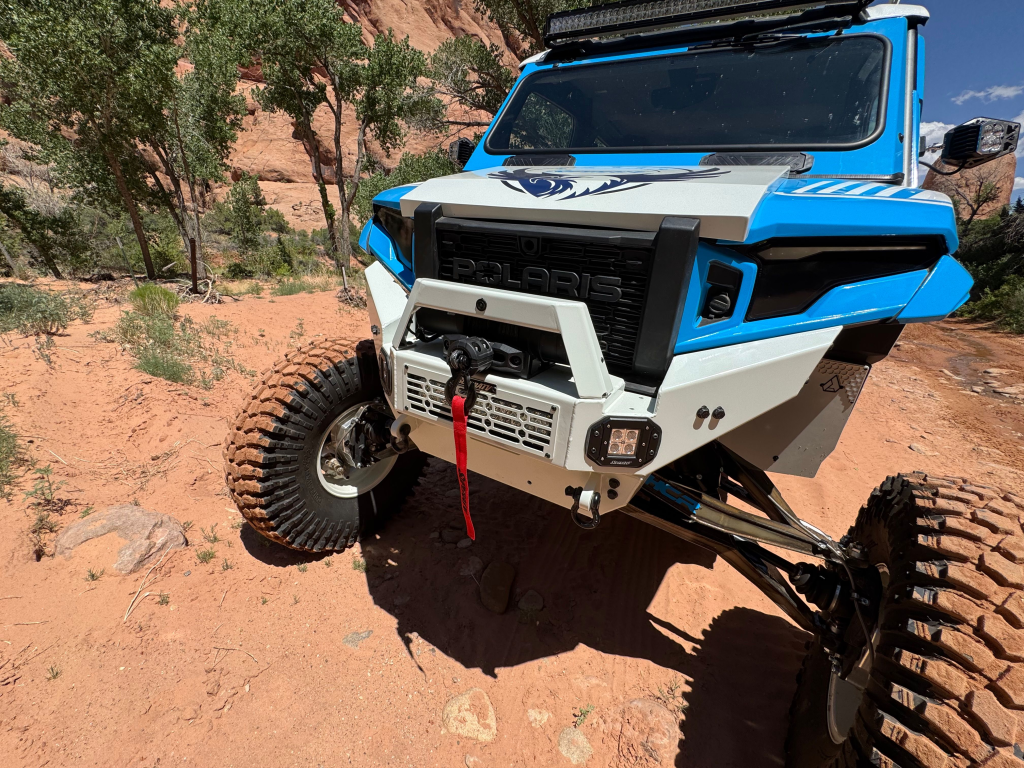
The winch rope does the heavy lifting, so it’s crucial to choose wisely. Steel cable and synthetic rope each have their pros—your choice depends on how and where you ride. Photo by SuperATV.
Pros and Cons of Steel Winch Cables
Steel cables are often made from strands of aircraft-grade galvanized steel. They’re built to handle abuse—but they do have their trade offs.
Pros:
Super durable: Great for sharp rocks, rough edges, and harsh terrain.
Resistant to heat: Handles repeated use and friction without breaking down.
Budget-friendly: Usually a little less expensive than synthetic options.
Cons:
Heavy: Adds weight to your setup and makes pulling out and re-spooling more work.
Risk of fraying: Can develop sharp edges over time—gloves are a must.
Less forgiving: Stores more energy under tension, which can be dangerous if it snaps.
Corrosion: You run the risk of rust and corrosion.
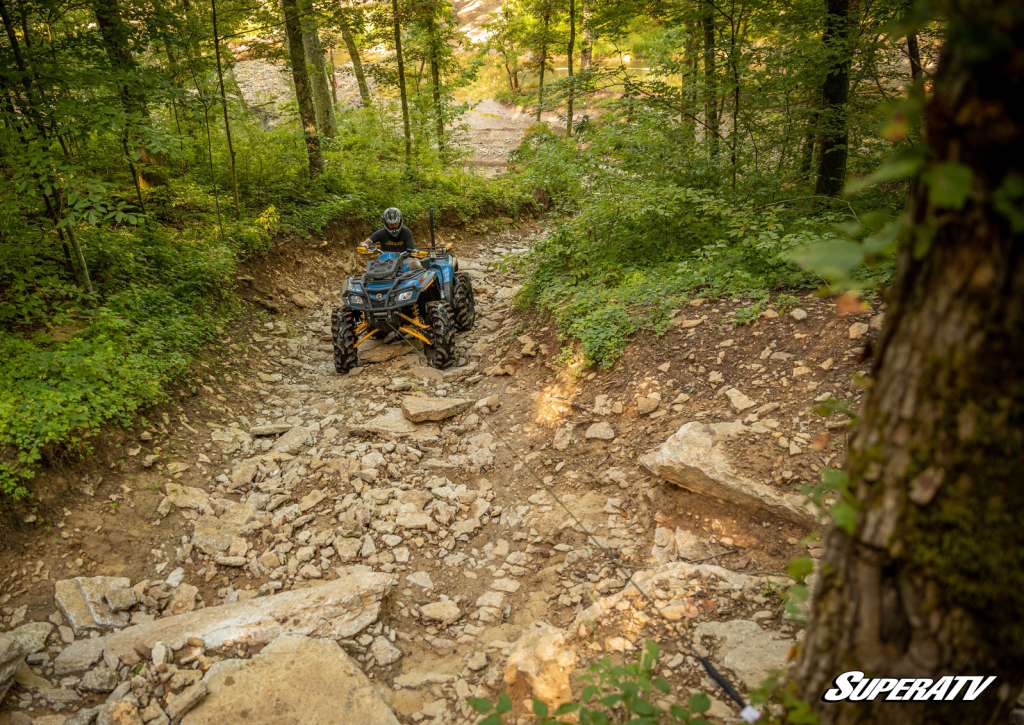
Steel cables are durable and heat-resistant, ideal for rough terrain, but they’re heavy, can fray over time, may rust, and pose safety risks if they snap. Photo by SuperATV.
Pros and Cons of Synthetic Winch Ropes
Synthetic ropes are made from high-strength fibers like Dyneema or Spectra. These ropes are engineered for strength and flexibility, with a safety factor that’s hard to ignore.
Pros:
Lightweight: Easier to handle, carry, and spool.
Safer under tension: Doesn’t store energy like steel, so it won’t whip hard if it breaks.
Floats in water: Makes water recoveries much easier.
Easier on hands: No frays or sharp barbs—gloves are still recommended, but are less critical.
No Rust: You don’t have to worry about rust or corrosion.
Cons:
More expensive: Typically a higher cost than steel.
UV sensitivity: Long-term sun exposure can weaken the fibers.
Abrasion risk: Needs a protective sleeve when used near rocks or sharp edges.
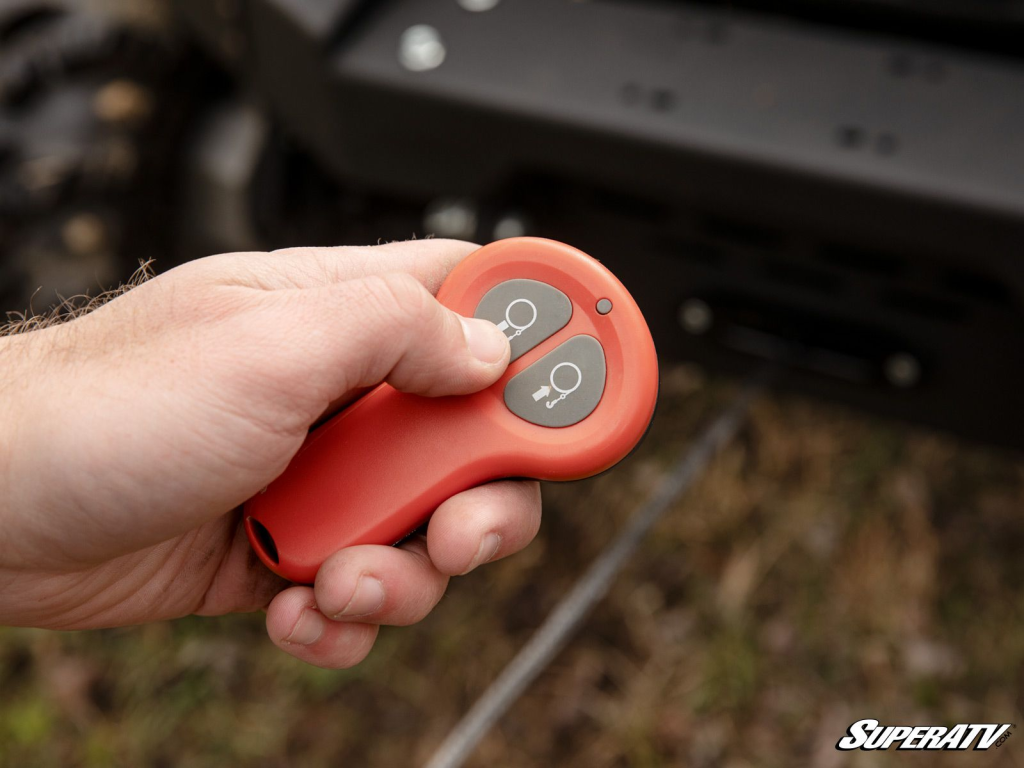
Synthetic ropes are light, safe, and rust-free, but cost more and need protection from sun and sharp edges. Photo by SuperATV.
Comparing Performance of Steel Cable vs Synthetic Rope
In terms of pulling strength, both materials can match up closely—as long as you’re using the right size and rating for your winch. Most riders won’t see a difference in raw power.
Where performance really differs is in handling, safety, and real world use.
Synthetic rope is quicker to deploy and easier to spool in, especially in tough conditions.
Steel cable shines in tough terrain where damage is a constant threat.
For UTV or ATV applications, both options are strong enough—but synthetic is often the more user-friendly choice.
Steel and synthetic ropes have similar strength, but synthetic is easier to use, while steel handles rough terrain better. For ATVs and UTVs, synthetic is often the friendlier choice. Photo by SuperATV.
Durability and Maintenance Differences
Just like everything else on your rig, maintenance matters—regardless of the style you have.
Synthetic rope: In mud, water, and sand, they clean up easily but need regular inspection and occasional washing.
Steel cable: They don’t absorb grime as easily, but they can corrode and need occasional lubrication to prevent rust.
Synthetic rope: They should be checked for fraying or fiber wear, especially near the hook.
Steel cable: They need to be watched for kinks, flat spots, or broken strands. These are all signs it’s time for a replacement.
Overall, synthetic requires more consistent care, but steel requires more careful handling.
synthetic ropes require regular cleaning and checks, while steel cables need lubrication and inspection for damage. Synthetic demands more frequent care while steel needs careful handling. Photo by SuperATV.
Environmental and User-Friendliness
When it comes to being easy to use and environmental impact, synthetic rope have some clear advantages over steel—especially in tough trail conditions.
Synthetic ropes are lighter and easier to use, which is great if you’re riding alone or don’t want to wrestle a heavy cable on the trail.
In wet or freezing weather, synthetic ropes stay flexible and manageable—steel can become stiff or slick.
If you’re wrapping something around a tree, always use a tree strap—it protects the tree and your line, since synthetic rope can get damaged and steel cable can really mess up the bark.
If convenience and safety are top priorities, synthetic rope is hard to beat.
Synthetic rope is lighter, flexible in tough conditions, and safer to use—just make sure to always protect trees with a strap. It’s the easiest and safest choice. Photo by SuperATV.
Cost Comparison and Long-Term Value
Let’s be real—price is always a big factor. Steel cable may save you money up front, but synthetic rope can offer better long-term value—especially when you factor in maintenance, safety, and extra gear.
Steel cable: Cheaper upfront, but may need replacing more often due to rust or fraying.
Synthetic rope: Higher initial cost, but can last longer with proper care and offers better safety over time.
Consider the cost of gloves, sleeves, or even winch line extensions for your setup.
Steel cables cost less upfront but may wear out faster. Synthetic ropes cost more initially but last longer and offer better safety. Don’t forget to get your extra accessories. Photo by SuperATV.
Which Winch Cable Type is Right for Your Off-Road Vehicle?
Still unsure of your decision? Let’s do a quick breakdown.
Steel Cable
Perfect for more abrasive terrain
Typically, a little more budget friendly
Needs a little extra maintenance if you’re okay with that
Synthetic Rope
Great for mud, water, and softer terrain
Safer and easier to handle
A more convenient set up and easier maintenance
Regardless of what you choose, make sure your winch is built to match. SuperATV offers a wide range of powerful winches, mounts, and other accessories.