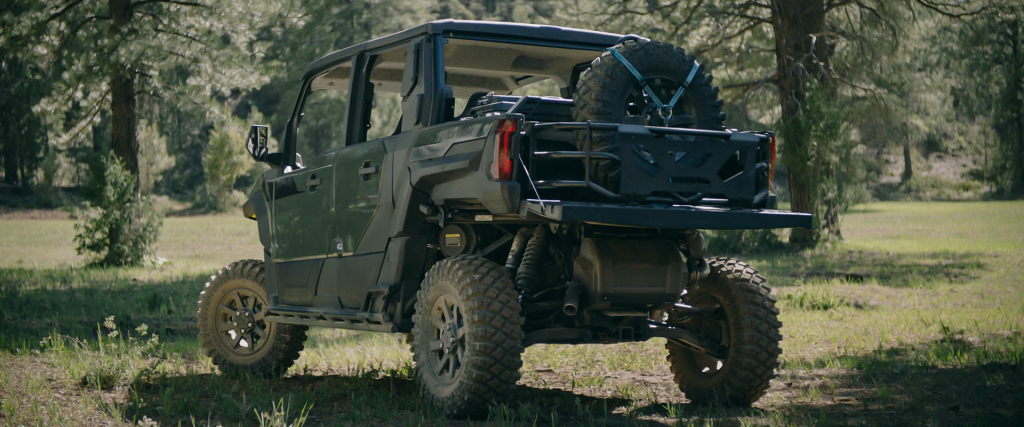
Manufacturers have always pushed the boundaries of what makes a UTV. Check out the Polaris Xpedition, for example. The Xpedition has made a big splash with its unique Jeep-like styling and innovative good looks. But it’s far from the craziest UTV design we’ve ever seen.
The history of UTVs and ATVs is filled with weird and wild machines going all the way back to the very beginning. We’re talking about the real outlaws of the off-road industry—six-wheeled UTVs and ATVs. While six-wheelers have become less common over the years, they were the first true all-terrain vehicles.
Let’s focus on the unique history behind six-wheeled ATVs and how they still influence off-road culture today. Who knows, maybe we’ll see six-wheelers make a big comeback?
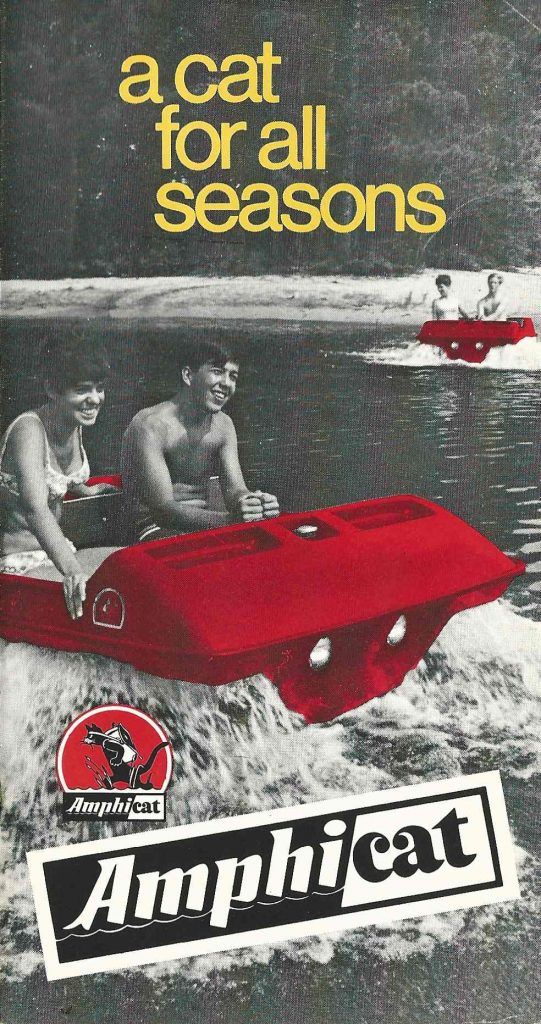
If you don’t like cats, then get out (that’s a joke). We’re going to start our journey into off-road history with the Amphicat—an amphibious off-road vehicle. It was a small, boxy vehicle with a bench seat, plastic body, and—of course—six wheels. The Amphicat looked so strange that it was used as the moon buggy in Space: 1999.
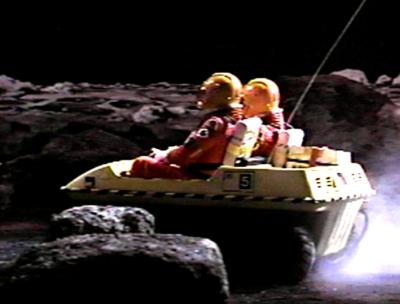
When the Amphicat hit the scene in 1968, it retailed for $1,295 for the base model—that’s roughly equivalent to $11,500-ish today.
But even this unusual six-wheeled machine was not the first. The first ATV/UTV was the Jiger, created by John Gower in the late 1950s. Like its successor, the Amphicat, it was also a six-wheeled vehicle.

The biggest drawback of these early six-wheelers was their (absurdly) small engines—especially by today’s standards. The first Jiger used two chainsaw engines, and the Amphicat used a small, 16-horsepower gas engine. Neither went over 35 miles per hour at top speed.

Even with their tiny engines, these early off-road vehicles were quite capable. They were built to be amphibious—which explains their strange, boat-like body style and ABS plastic construction.

You could go from the trail to the pond instantly. The wide wheels with their deep lugs worked as paddles to move the machine through open water at a “brisk” two miles per hour.
These six-wheeled machines were super interesting and innovative, but they didn’t dominate the industry for long. The introduction of the Honda ATC90, the first three-wheeler, and the gas crisis of the 1970s quickly brought the six-wheeler craze to a halt. Put simply, the Jiger and Amphicat went extinct after less than two decades on the scene.
While the funky original six-wheelers may be long gone, there are plenty of six-wheeled machines still out there. John Deere, Polaris, Can-Am, and many other manufacturers make hardy six-wheeled UTVs and ATVs to this day.
Most of these machines are work- or farm-focused. The extra axle provides improved stability and a lower center of gravity and helps you handle heavier payloads. They’re the true workhorses of the side-by-side industry.

And you can’t forget about the most noteworthy holdover from those early side-by-sides and ATVs: Argo XTVs. Argo has been cranking out innovative and interesting machines for more than 55 years—including six-wheeled UTVs that look a LOT like the Jiger and Amphicat.
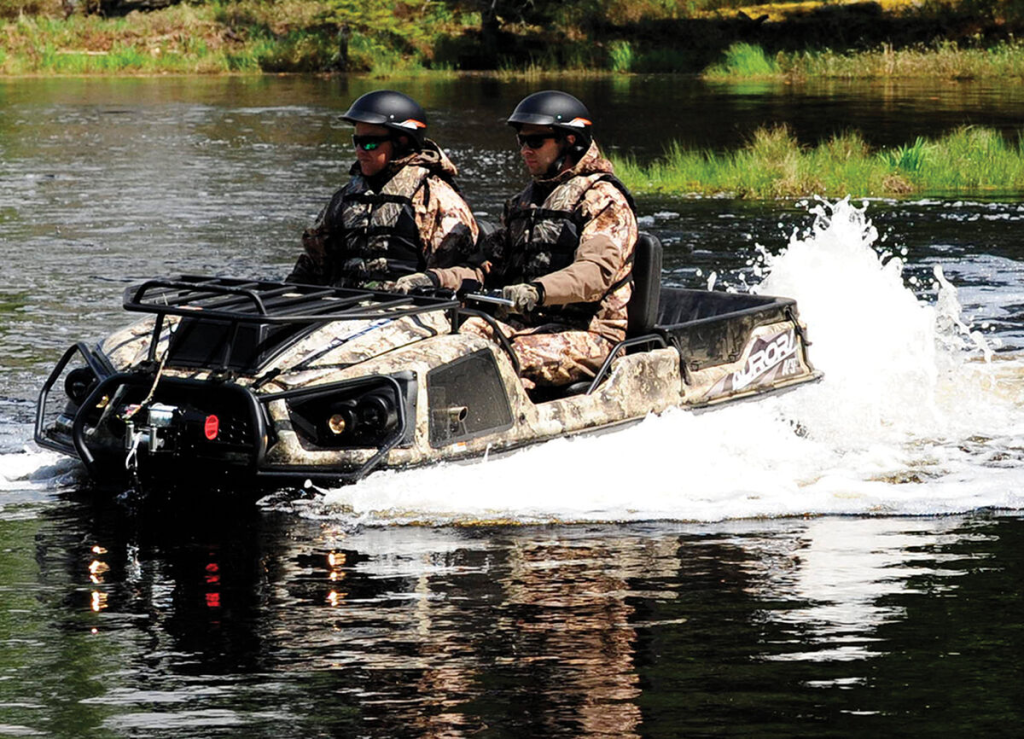
In fact, ODG (Ontario Drive & Gear, which would later develop the Argo brand) manufactured transmissions and gears for the Amphicat back in the mid-1960s. Maybe they’re not extinct—maybe six-wheelers just evolved?

While they’re not as exotic as they once were, six-wheeled UTVs and ATVs aren’t leaving manufacturers’ lineups anytime soon. And as long as they’re out on the trail, we’ll be making parts, accessories, and upgrades for them.
Who knows, maybe the next big innovation to shake up the off-road industry could be a return to its origins—the weird, whacky six-wheeled rigs of the past.


