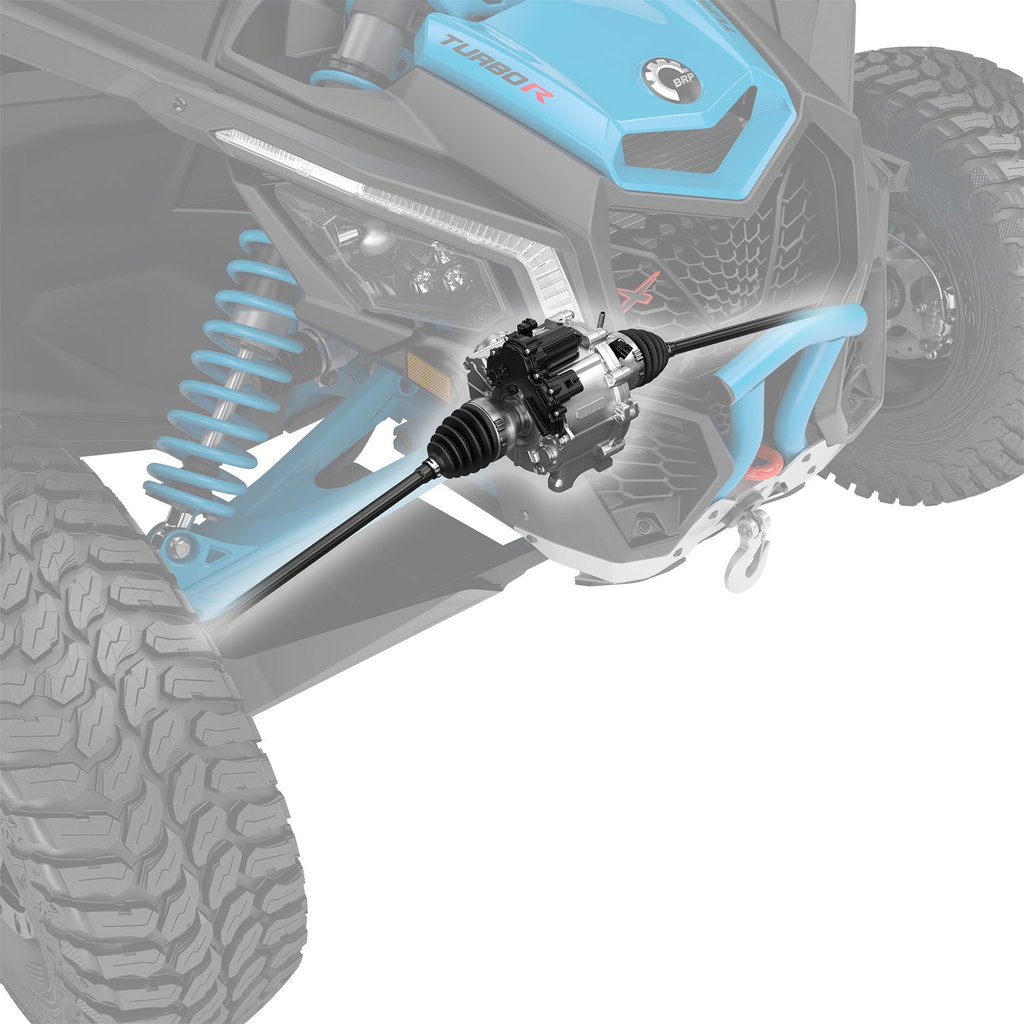
When you read through the specs of a Can-Am ATV or UTV and see differential names like Visco-Lok, Visco-Lok QE, Visco-4Lok, Quick-4Lok, and Smart-Lok, your first reaction is probably that you spilled alphabet soup on your screen.
Your second reaction is probably, “What the heck is the difference between all these differentials?”
That’s what we’re going to answer today as simply as possible. It’s not as confusing as it looks.
The differences between all these differentials come down to how they behave when engaged, and whether or not they have a user-toggleable locking mechanism. Take a look:
| Differential | Normal engaged operation | Rider-selected front lock |
|---|---|---|
| Visco-Lok | Limited slip | No separate lock selection |
| Visco-Lok QE | Limited slip with quicker engagement | No separate lock selection |
| Visco-4Lok | Limited slip | Yes |
| Quick-4Lok | Quick-engage limited slip | Yes |
| Smart-Lok | Electronically controlled locking based on user-selected ride modes | Yes |
The other massive distinction between them is where Can-Am deploys each differential. You won’t be picking a machine and then choosing what differential you want to put in it. Here’s a very general overview of what machines get which differential for 2027 year models unless otherwise stated.
| Differential | Vehicle fitment | Fitment notes |
|---|---|---|
| Visco-Lok / Visco-Lok QE | Select Outlanders2026 Renegade X xc modelsSelect DefendersSelect CommandersMaverick Trail | Standard or QE version depends on trim and engine. |
| Visco-4Lok | Select Outlanders2026 Renegades X mr | Includes select Outlander MAX and PRO models. |
| Quick-4Lok | Select Defender HD10 modelsSelect Defender HD11 models | Applies to Gen 2 Defenders. |
| Smart-Lok | Maverick X3Maverick RSelect CommandersSelect Defenders2026 X rc and X mr Maverick Sport models | Commander and Defender coverage varies by trim. |
There are other differences between these differentials that we can’t quite explain in a little table. So here’s a quick breakdown of each.
Visco-Lok uses a hydraulic clutch pack to lock the front diff automatically when your machine is set to 4WD mode. It’s a purely mechanical process that starts when one front axle is turning while the other is stuck. After a few rotations of the free-spinning axle, friction builds up in the clutch pack and starts transferring torque to the non-moving axle. At that point, the diff is locked and you should start moving forward.
The Visco-Lok QE (QE is for Quick Engagement) works the same way, but has a quicker-engaging clutch pack. Basically, the “slip” is even more limited.
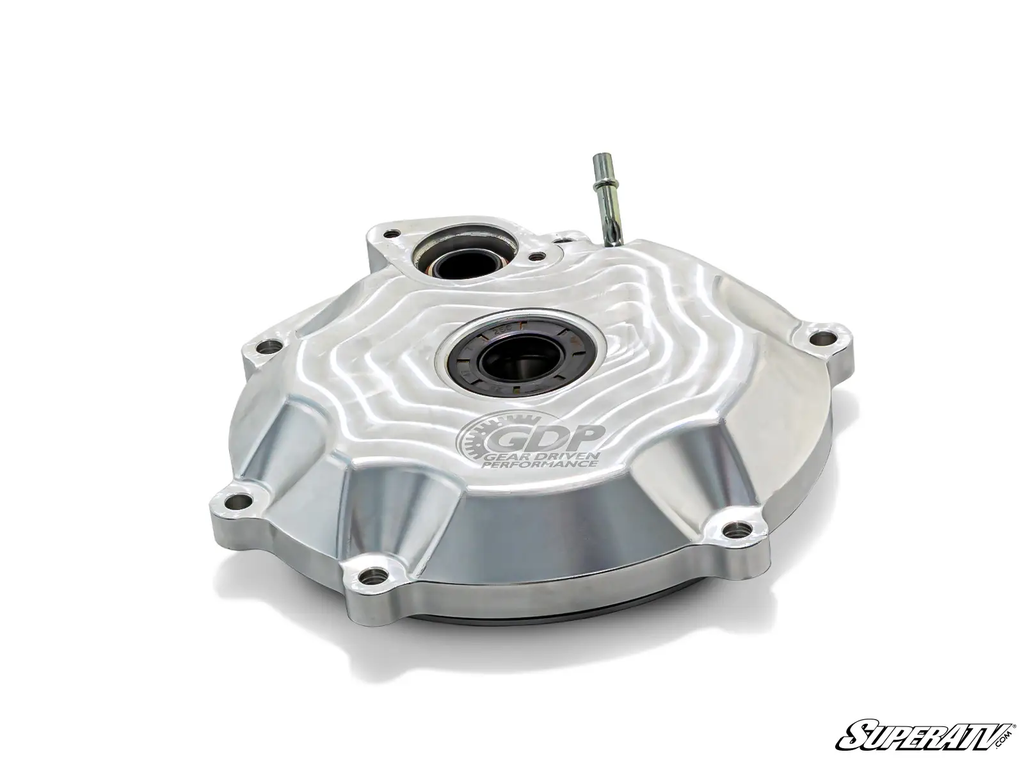
The Visco-4Lok uses a limited slip clutch pack just like the standard Visco-Lok. The big difference is that the 4Lok variation includes a manually controlled actuator. If you know you want your differential locked, you hit the button and it locks.
It will still lock automatically if you’re set to 4WD mode, but the manual lock avoids the loss of traction you get while you wait for the clutch pack to engage.
Can-Am’s Quick-4Lok differential is very similar to the Visco-4Lok. It has the same limited-slip clutch pack design that engages in a similar amount of time. It also has a manual locking toggle that uses an electronic actuator to lock the diff and avoid the windup of the clutch pack.
The big difference comes from a few strength and reliability tweaks. Can-Am says it has twice the clamping force and a stronger 4×4 actuator. These diffs only go on Defenders at the moment, so these tweaks make sense for the heavier platform compared to the Visco-4Lok, which is used primarily on ATVs.
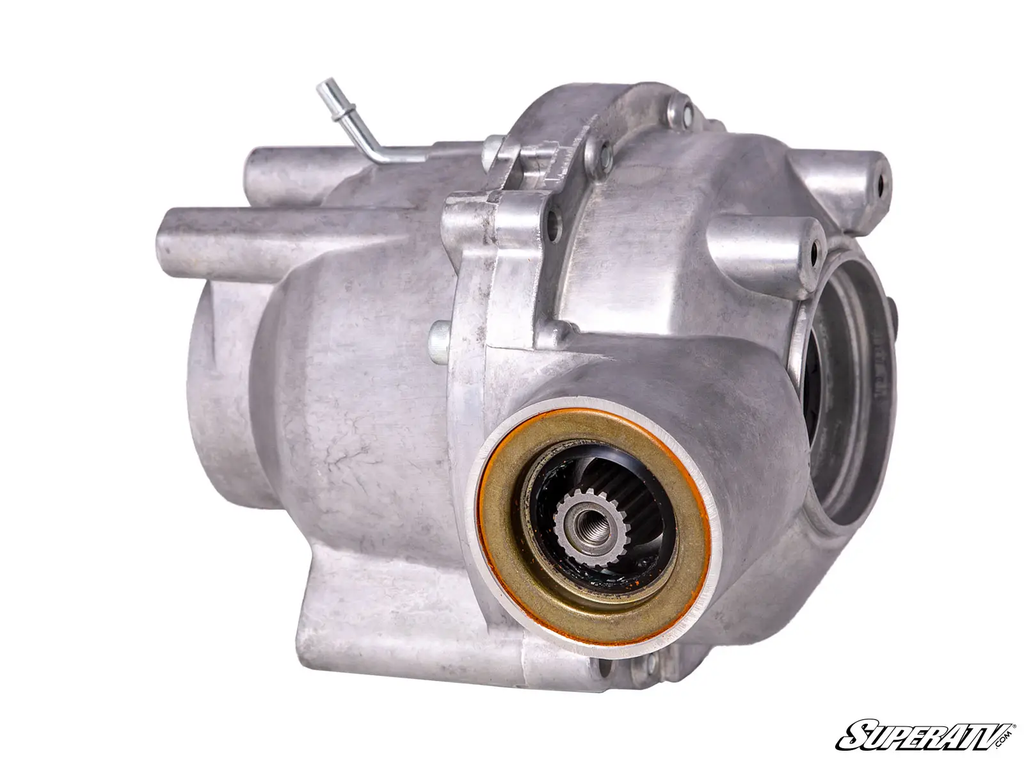
Can-Am’s Smart-Lok differential is a different beast. Forget everything you know about Visco-Lok and Quick-4Lok. It doesn’t apply here.
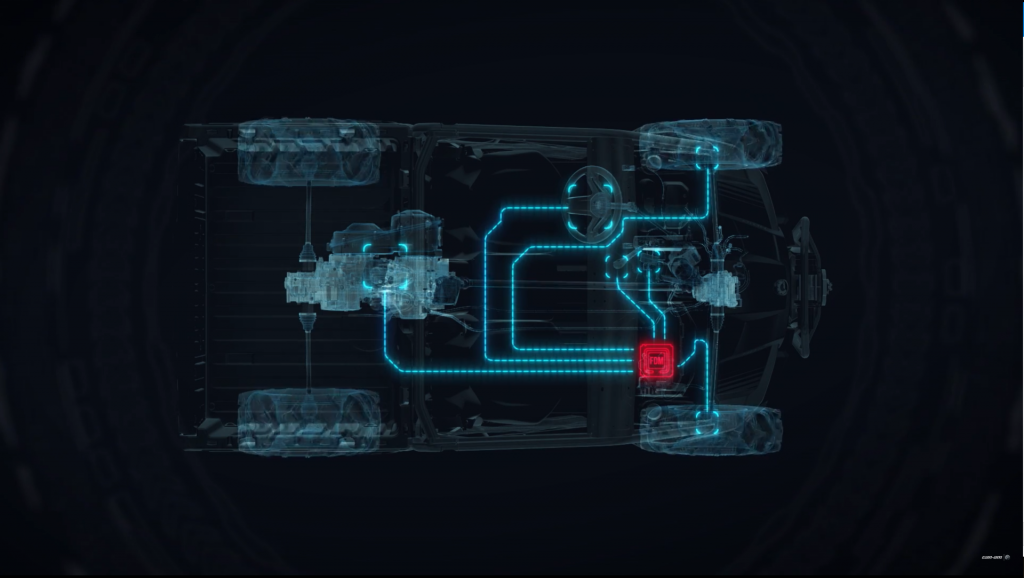
Smart-Lok differentials use sensors to decide when to automatically lock using an electronic actuator. The way it locks depends on the setting selected on the dash. You can set it to Trail, Trail Activ, Mud, or Rock. The specific options available depend on the specific UTV model. Models with mud suspension will have the Mud mode available, for example.
The differences in these modes decide how quickly the differential locks when it slips. If you’re rock crawling, you want it to lock quickly even at low speed, so that’s how Rock mode works. On a trail, you don’t need it to lock so aggressively, so Trail mode doesn’t.
Now that you know what’s going on with these Can-Am differentials, you can make better buying decisions and get the most out of whatever differential you do have. If you decide your differential isn’t cutting it, we’ve got Pin Locker upgrades, complete upgraded SwifTrac differentials, replacement differentials, and more at SuperATV.

