
Keeping your brakes in top condition is one of the most important parts of ATV and UTV maintenance. Properly adjusted brakes mean more control, better stopping power, and safer rides—whether you’re crawling over rocks, ripping through mud, or towing gear around the farm.
If your brake lever feels soft, you notice uneven braking, or your pedal travels too far before engaging, it’s time for an adjustment.
The good news? Adjusting your brakes is straightforward—and if you find worn or damaged parts along the way, SuperATV offers affordable brake components.

Brakes that aren’t adjusted correctly can negatively impact handling and confidence on the trail. A well-tuned system delivers smooth, consistent braking power, while poorly adjusted brakes can cause:
Both ATV and UTV owners share these common maintenance needs—especially when using disc brakes, which rely on precise contact between pads and rotors for optimal performance.
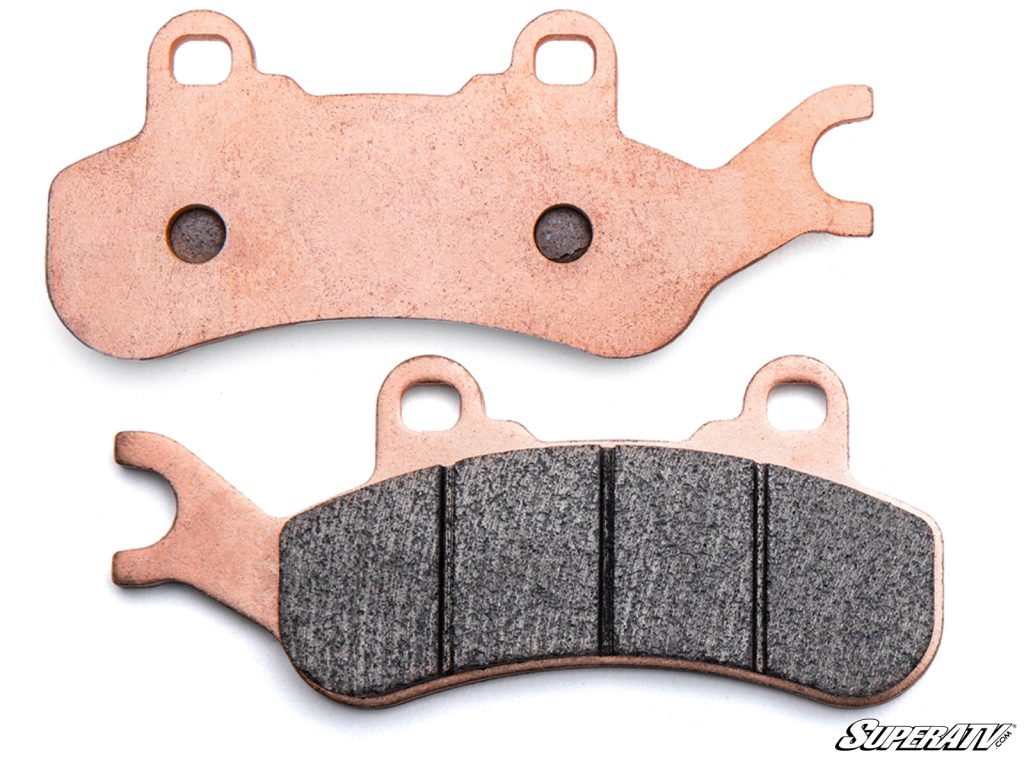
Before you begin, gather the essentials:
Start by cleaning around your brake components. Mud, sand, and debris can make adjustments difficult and even hide potential issues. Cleaning ensures smoother fine-tuning and helps you spot worn parts before they become a problem.

Park your ATV or UTV on level ground and put the machine in park. If needed, use a jack or lift stand to raise the wheels for better access.
Safety Tip: Always wear gloves and eye protection during maintenance.

Check your pads, rotors, and cables for visible wear or damage. Clean off any dirt or buildup that could affect braking.
Before adjusting, confirm there’s a small amount of free play in your brake lever or pedal—it shouldn’t engage immediately, but it also shouldn’t feel loose.

Adjust as needed so the lever or pedal feels firm and responsive but not overly tight.
Locate the adjuster nut on your brake cable—usually near the caliper or lever. Tighten the nut gradually until free play is reduced and the brakes engage earlier.
After each adjustment, spin the wheels to ensure they still move freely when brakes are released.
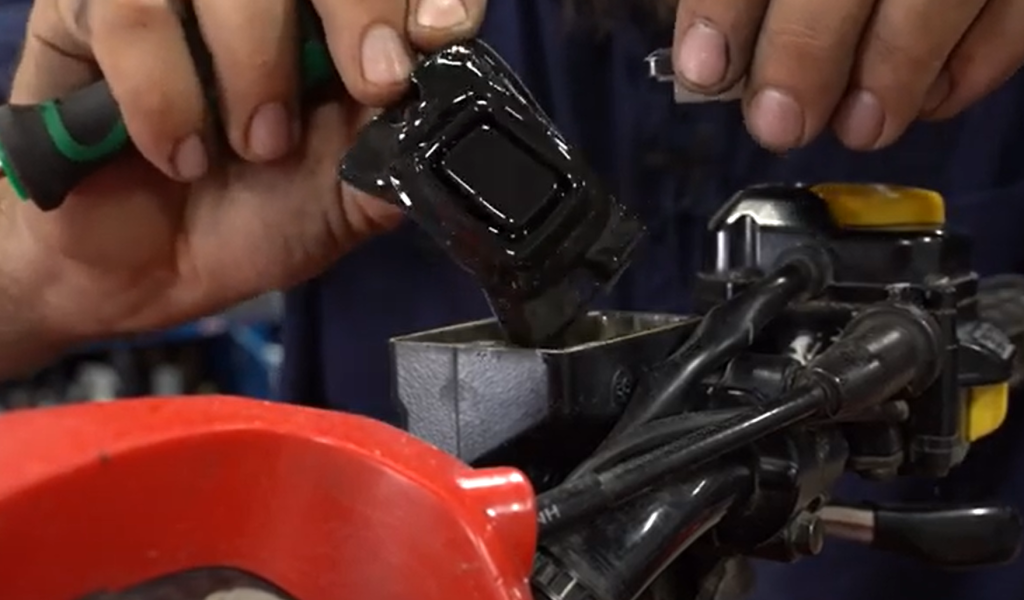
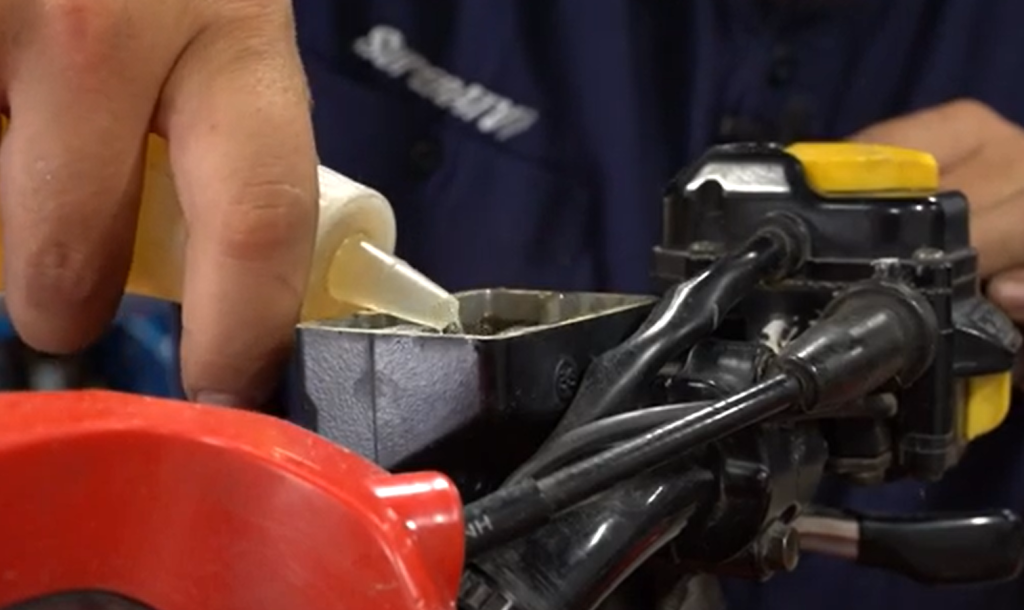
Inspect the brake fluid level in the master cylinder reservoir. If it’s low, top it off with the manufacturer’s recommended fluid.
Test brake resistance by squeezing the lever or pressing the pedal. If it feels spongy, there may be air in the lines. In that case, bleed the brake system to restore firmness and consistent pressure.
For machines equipped with a parking brake lever, adjust the cable until it holds securely on an incline but releases smoothly without dragging.
Once adjustments are complete, test your brakes at low speed in a controlled area.
Check for:
If the brakes still feel weak or inconsistent, it might be a sign that you need to replace your brake parts.

Sometimes, adjustment isn’t enough. If you notice any of the following, replacement is the best move:
When replacement is necessary, SuperATV brake systems deliver trail-ready reliability and precision stopping power. Built to handle the toughest terrain, our brake pads, rotors, and calipers are engineered for long-lasting performance and easy installation.
Upgrade your stopping power—browse our UTV and ATV Brakes Collection or check out our UTV and ATV Brake Buying Guide for expert recommendations.

Regular brake adjustments are a quick way to keep your machine safe and responsive—but if parts are worn, don’t wait. Replacing components promptly ensures your brakes perform when it matters most.
SuperATV is your trusted source for high-quality replacement brakes built for off-road strength and precision. Whether you ride for work or play, we’ve got the stopping power to keep you in control.
Explore SuperATV’s full line of brakes today and keep your UTV or ATV ready for every ride.

