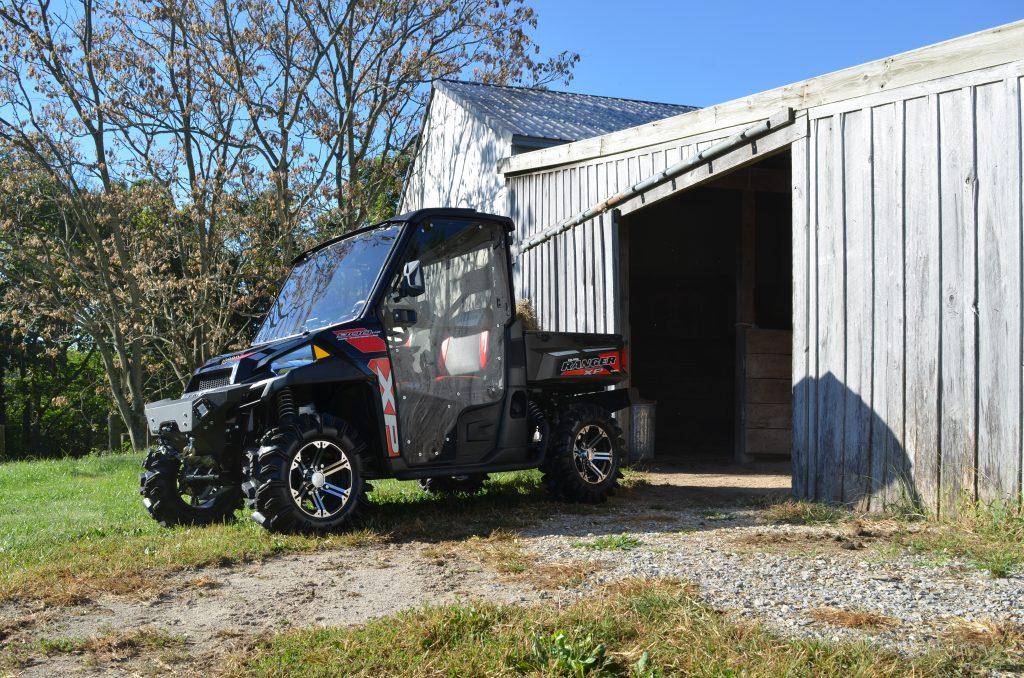
Regular, on-time maintenance is key to keeping your Ranger running its best on every ride. Proper upkeep is vital for extending the life of your rig and ensuring it stays reliable and safe whenever you fire it up. If you aren’t sure about what maintenance needs to be done at what time, or if you just want a refresher, check out this Polaris Ranger maintenance guide from SuperATV.
Sometimes proper maintenance is as easy as checking your critical systems before you ride. Take a couple of minutes before heading out to take a look at:
It’s also good to take a walk around your rig with a few wrenches to make sure all the bolts are properly tightened and ready for the ride.
Some specific needs will vary depending on the year and specific model of your Polaris Ranger, but if you ride regularly, you should be doing the following maintenance about every month:
Dirty, plugged up air filters can drag down your performance by reducing the airflow to your Ranger’s engine which, in turn, will make your power output and fuel efficiency worse. Check your air filter every month—if it is dirty and clogged with debris, change it out for a new one based on the recommendations of your owner’s manual.
A dead battery is easy to diagnose, but if you don’t want to be stuck away from home with a battery that can’t give you the juice you need to get back, be sure to check your working battery before you leave. Inspect the terminals for signs of corrosion and ensure the connections are secure. It’s also smart to have a battery tester handy to check in on voltage health and a portable battery charger is a great emergency measure to ensure you aren’t stranded if your battery runs out of power. However, if you are concerned about your battery performance, the best maintenance is swapping your old one with a high-quality replacement.
Check your oil to make sure the level is correct and the oil itself isn’t dirty. Additionally, don’t forget to inspect the oil filter for buildup, debris, or damage. It is important to stay on a consistent schedule for replacing both the filter and the actual oil because going too long can damage your engine.
Look at your Ranger’s drive belt for signs of damage including cracks, slick sides, missing cogs, and frays. A worn or damaged drive belt will cause power dips and slippage as you ride. A bad belt can also break while you’re riding, which is never a situation you want to be in. By checking your belt regularly, you have the opportunity to swap it out before it breaks—plus, you can upgrade to a purpose-built, reliable, and high-quality drive belt to keep your Ranger performing at its best ride after ride.
Your front differential is key to proper steering and handling. If you hear odd noises like grinding or notice issues engaging the four-wheel drive, steering, vibrations, or overheating, your front differential could be the issue. To avoid these problems, check the oil based on the instructions in your owner’s manual and replace it according to the schedule recommended there.
Bad spark plugs can cause your engine to lose power, misfire, and make it difficult to start your Ranger altogether. To avoid these issues, check your spark plugs for carbon buildup, other signs of corrosion, contamination, or physical damage. Replacing them is simple, but you’ll need time to access them. Before you do, consult your owner’s manual to make sure your replacement plugs have the proper gap and are the right size.
A smooth, consistent ride requires properly operating wheel bearings, so be sure to check yours. Look for cracks, rust or other signs of corrosion, and signs of leaking grease. If you want a quick and easy way to check, you can also use one of our favorite tricks: jack your Ranger and pull on the top of your wheels. If they move in and out when you pull, replace your wheel bearings.
Even if you’ve upgraded your clutch from stock, you should still inspect it every month and clean it often to keep it in top working order. Clutch systems are intricate, so give yourself some extra time to check yours. Look for damage and make sure that all the moving parts are operating correctly without binding. Also check that your belt is in good shape and test that your clutch is engaging and disengaging properly.
Eventually, every clutch will need replacing (or you might just want an upgrade on stock). When the time comes, SuperATV has plenty of premium options for you to choose from.
Before checking your transmission fluid, turn on the engine and let it warm up—this will only take a few minutes. Put your Ranger in neutral or park, based on instructions found in the owner’s manual, then remove the transmission fluid dipstick. After that, wipe the dipstick clean, reinsert, and then take it out again to check the level against the warm mark. If your fluid is low or if it is dirty, follow the instructions in your owner’s manual to replace it.
When you inspect your Ranger’s radiator coolant, do it when the engine is cold. Finding the coolant level of your is easy: just check the coolant overflow bottle. If it is low, add fluid. If it is at the proper level, you don’t need to do anything until next month.
Any maintenance you aren’t fully comfortable with is something you should take to a professional. Additionally, more complex tasks like internal engine maintenance, rewiring work, or rebuilding a clutch is often best left for your local pro to avoid long-term damage to your rig.
If you are looking for more detailed information about your model’s maintenance needs, and to dig deeper into less routine maintenance needs, see our detailed maintenance guides:
Getting behind on regular maintenance can not only cause poor performance, it can also damage your machine. Tracking the maintenance you do and when you do it, both in terms of mileage and hours driven, is also important to staying on schedule, so be sure to log your work when you do it.
Looking for specific replacement components to complete your maintenance tasks? SuperATV has all kinds of options for both full-size and midsize models! And if you have additional questions about maintenance or want some extra advice, leave a comment or reach out to us. We’re here to help you find all the answers you are looking for.

