The Kawasaki Brute Force 750 has been around for years, and there are good reasons for that. It’s earned a reputation as a dependable ATV that’s just as comfortable on the trail as it is hauling gear around the farm.
Unfortunately, even the most dependable machines have their problems. When you put enough miles on any machine, something’s going to go wrong—that’s just part of the game. The good news is that most Brute Force problems are the result of normal wear, routine maintenance, or a handful of common trouble spots—not major design flaws.
Let’s get into the issues owners run into most often and where to start when something just doesn’t feel right.
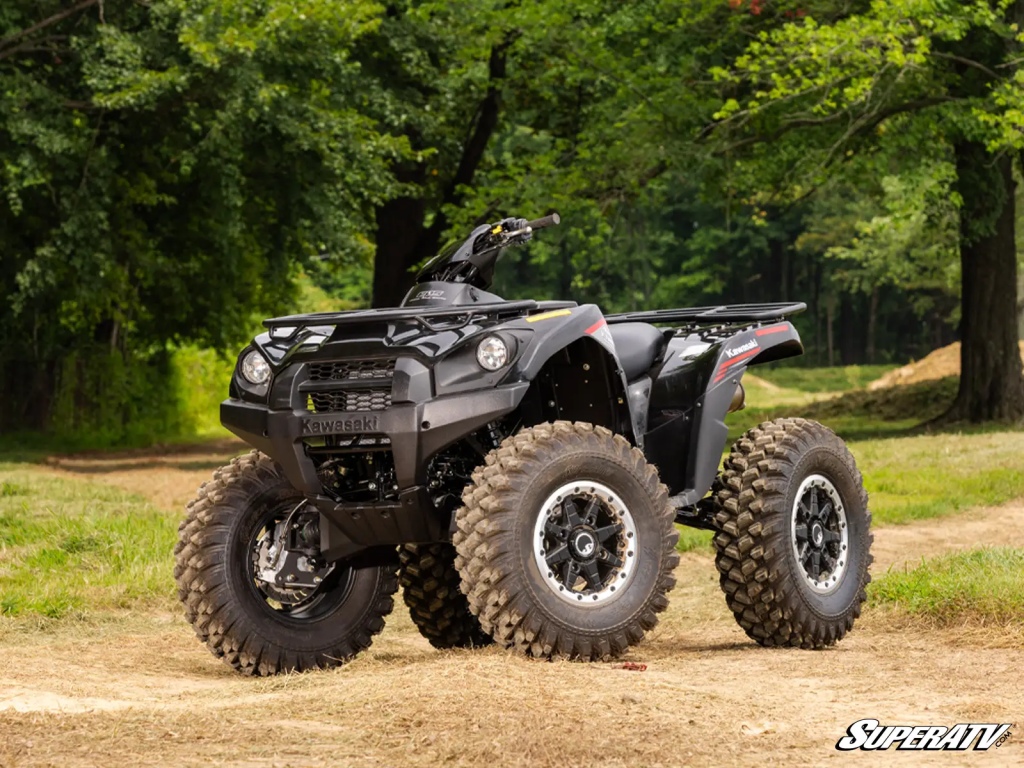
The Brute Force has been around for a while, and Kawasaki has made changes along the way. Early models are carbureted, while later models use electronic fuel injection, so troubleshooting steps and replacement parts aren’t always the same.
Before ordering parts or starting a repair, confirm your model year and check your VIN for any open safety recalls.
A Brute Force that won’t start is one of the most frustrating problems you can run into. Sometimes the engine won’t crank at all. Other times, it turns over but refuses to fire. Regardless, the cause usually comes down to some common components.
What riders notice:
Common causes:
The first place to look is the battery and connections. A weak battery or poor connection can make it seem like you have a bigger problem than you actually do.
If the engine cranks normally but won’t start, check fuel and spark. EFI models may have issues with fuel pressure or the fuel pump, while earlier carbureted models can develop problems from stale fuel or clogged passages after sitting.
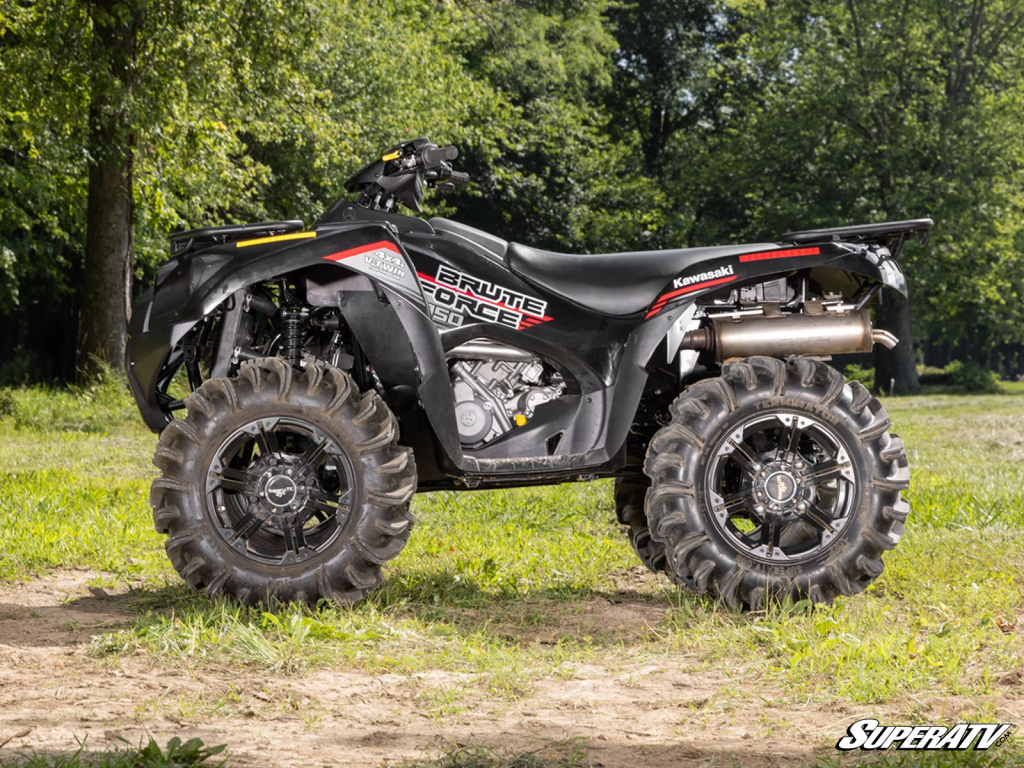
Your Brute Force should deliver smooth, predictable power. When it starts running rough, bogging down, or losing power under load, something is usually keeping the engine from getting the air, fuel, or spark it needs.
What riders notice:
Common causes:
Start with the simple checks first. A dirty air filter, bad fuel, or worn spark plug can create symptoms that feel much more serious than they actually are.
EFI models should be checked for proper fuel delivery before replacing injectors or fuel system parts. On older carbureted machines, clogged passages or fuel issues from sitting are more common problems.
If the issue continues after checking the basics, it may be time to look deeper into valve clearance, compression, or other engine-related problems.
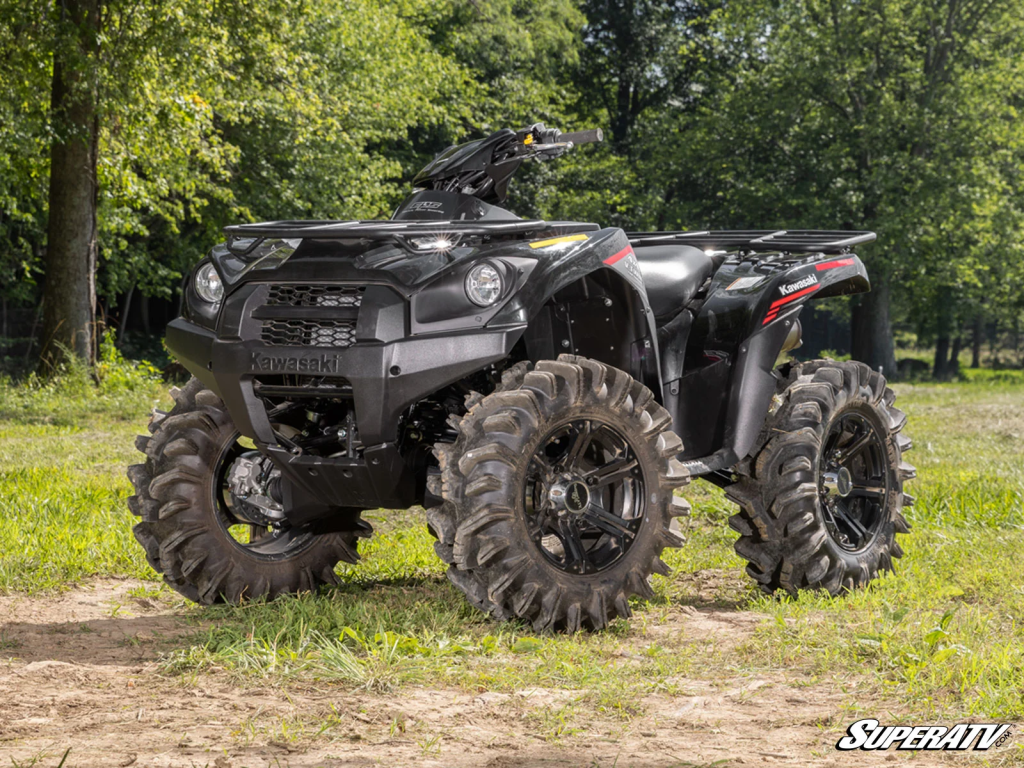
Overheating is one of those problems that can start small and turn into a much bigger issue if you ignore it. While some heat is normal during slow riding or tough conditions, an overheating Brute Force needs attention before it causes engine damage.
What riders notice:
Common causes:
The first thing to do is shut the machine down and let it cool completely. Make sure to never open a hot radiator cap. Once it’s safe to inspect, check the radiator for mud buildup, verify the coolant level, and make sure the cooling fan is working properly.
A lot of overheating issues come down to restricted airflow, especially after riding in mud or tall grass. Keeping the radiator clean and staying on top of cooling system maintenance can prevent many problems before they start.
If your Brute Force continues overheating after basic checks, you may have a bigger cooling system issue. A damaged or restricted radiator, thermostat problem, or water pump issue may require further diagnosis.
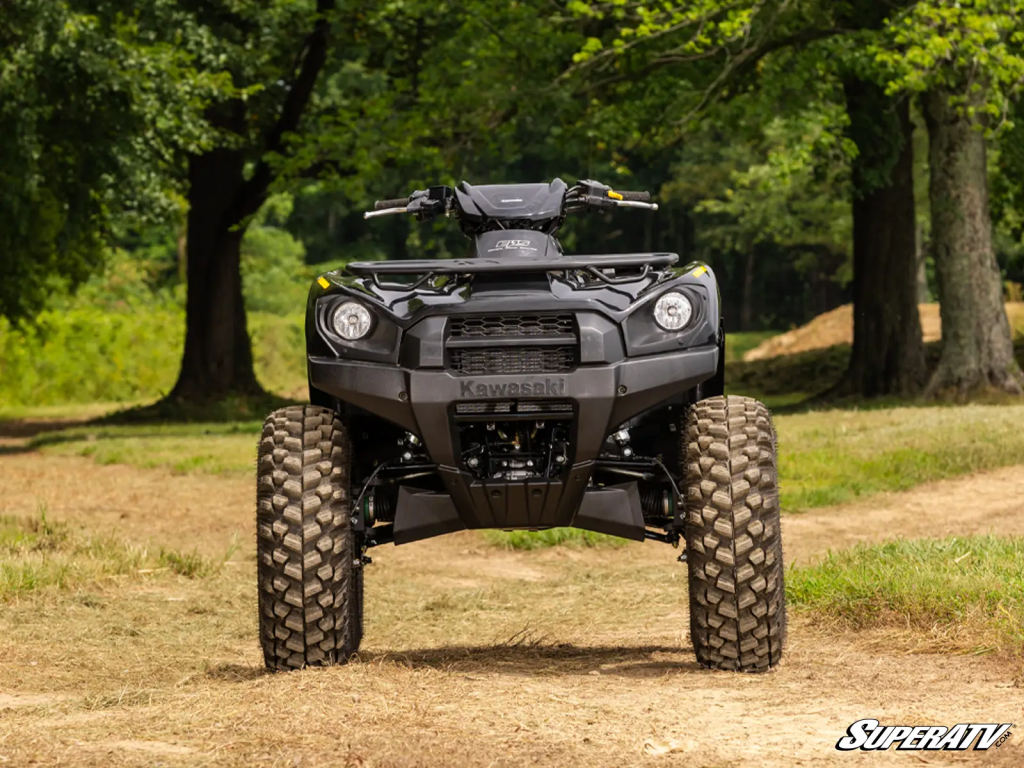
Your Brute Force’s CVT system takes a lot of abuse, especially if you’re riding hard, hauling heavy loads, or spending time in mud and technical terrain.
When something starts going wrong, you’ll usually feel it before you see it.
What riders notice:
Common causes:
Heat is one of the biggest enemies of any CVT system. Slow, heavy riding in high range can create extra stress and shorten belt life.
Start by checking the belt for cracks, glazing, fraying, or other signs of wear. If the belt is damaged or out of spec, replacement is usually the answer. Riders who push their rig hard may also benefit from upgrading to a SuperATV Drive Belt that’s built for more demanding use.
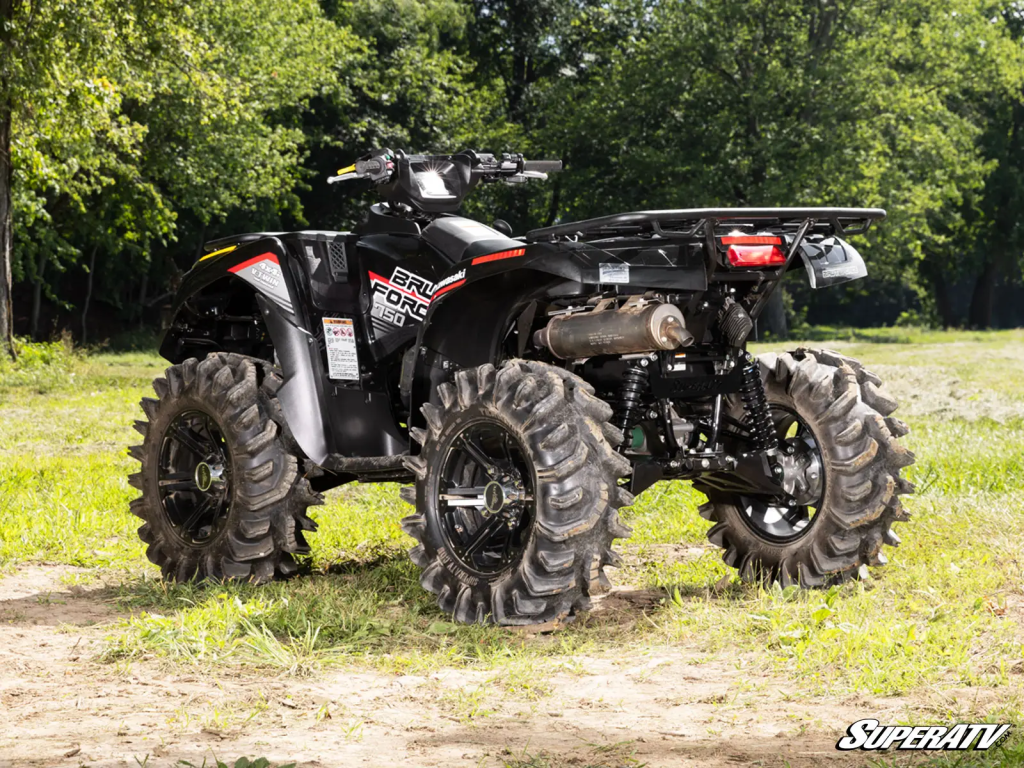
The Brute Force 750 is built to handle rough terrain, but if the 4WD system stops working, getting through that terrain can become a lot more difficult. Problems with engagement are usually caused by electrical components or issues with the engagement system.
What riders notice:
Common causes:
Start by checking the simple things first. Make sure you’re using the correct engagement procedure for your model year, then inspect the switch, fuses, and accessible wiring connections.
Mud and water can also create problems over time by causing corrosion or disrupting electrical connections. If the actuator isn’t responding or you’re hearing unusual noises from the front differential, the issue may require a closer inspection.
The 2WD/4WD system and differential controls vary by model year, so make sure you’re following the correct procedure for your specific Brute Force before replacing parts.
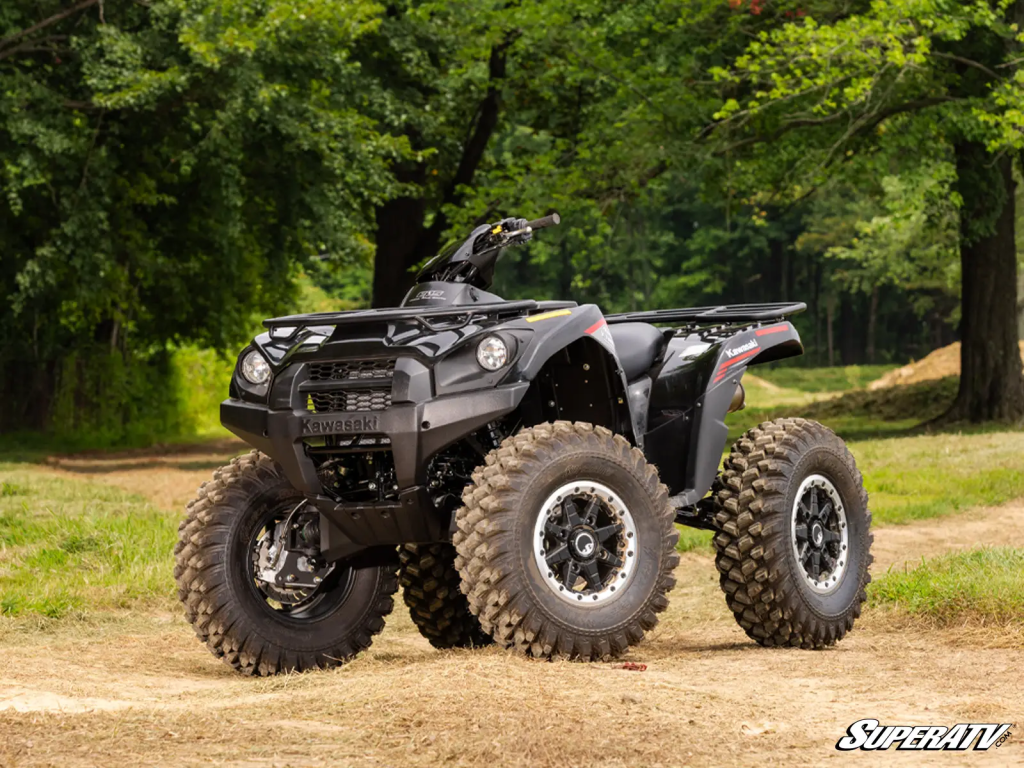
Electrical problems can be some of the most frustrating issues to diagnose because they can show up in a lot of different ways. Your Brute Force might start fine one day and struggle the next, or you may notice warning lights, battery drain, or other strange behavior.
What riders notice:
Common causes:
Start with the basics. Check the battery condition, clean the terminals, inspect grounds, and look for damaged wiring or corroded connectors.
A weak battery doesn’t always mean the battery itself is the problem. Charging issues involving the stator or regulator, also called a rectifier, can prevent the battery from staying charged. If the ATV keeps dying after the battery has been charged, you’ll need to look deeper into the charging system.
Electrical problems can take some patience to track down, but finding the actual cause is much better than replacing parts that aren’t the problem.
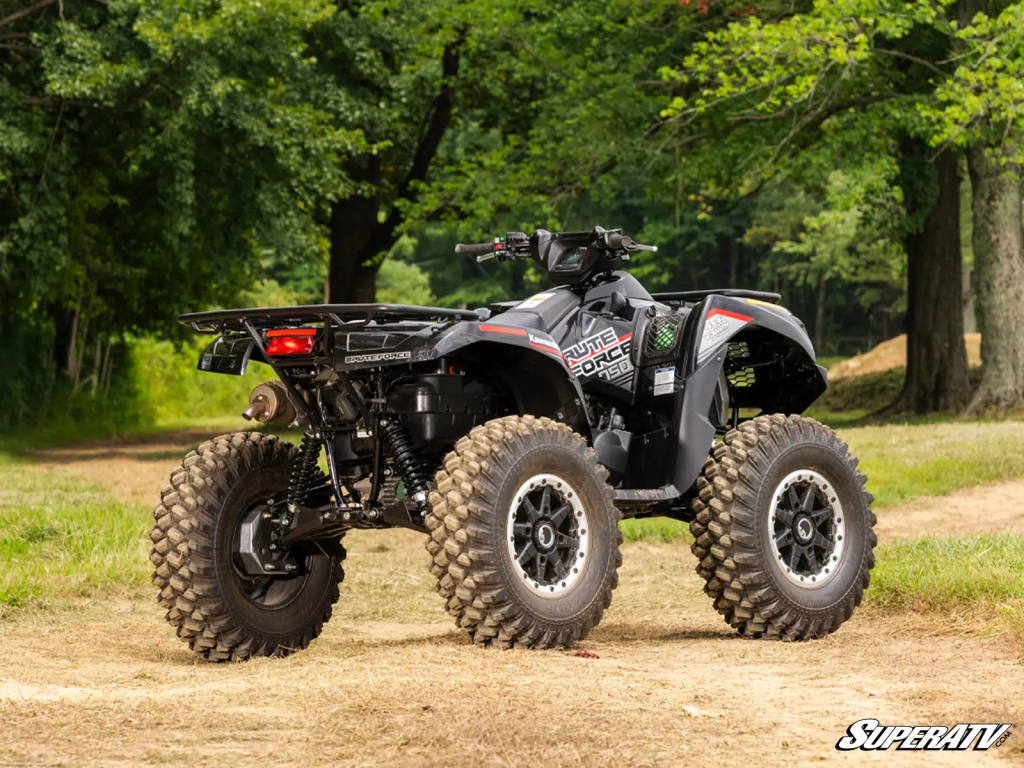
Your suspension and steering components take a beating every time you hit the trail. Over time, normal wear can lead to loose steering, clunking noises, and a Brute Force that doesn’t feel as planted as it used to.
What riders notice:
Common causes:
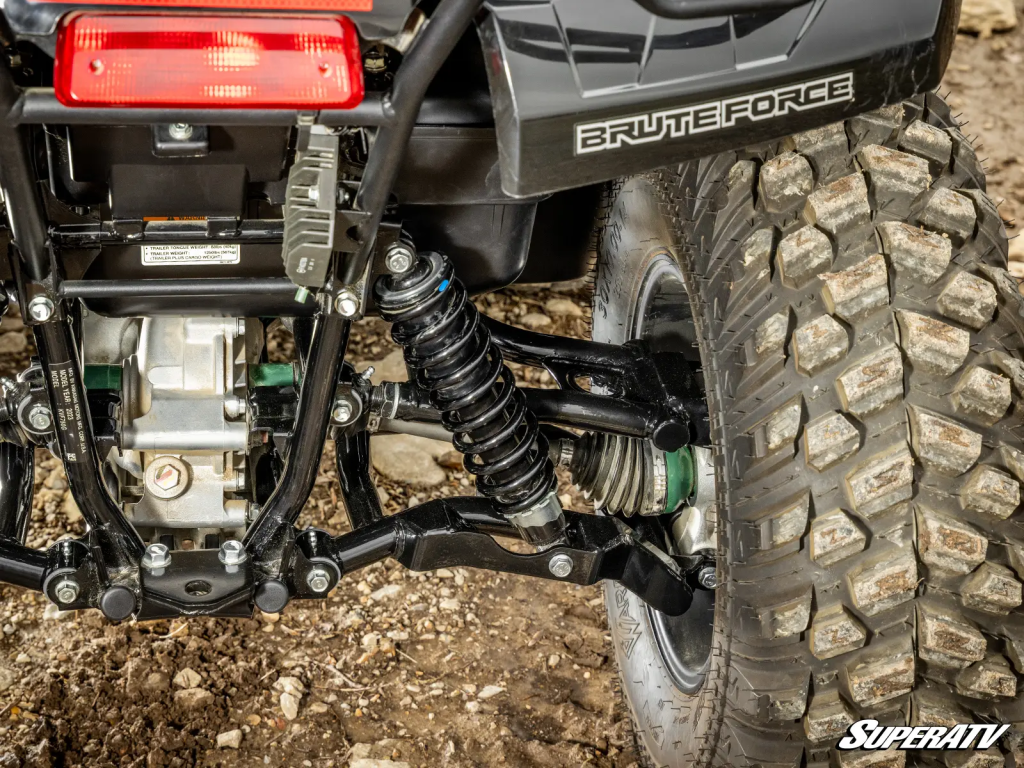
If you notice front-end play, it’s important to inspect each part instead of guessing. Worn bushings, ball joints, tie rods, and wheel bearings can all create similar symptoms.
A good inspection can help you find the exact source of the problem. If your A-arm bushings are worn, replacing them can restore proper suspension movement and reduce unwanted play.
Suspension wear is a normal part of ATV ownership, especially for riders who spend a lot of time in rough terrain. Regular inspections can help catch these problems before they affect handling or safety.
Most ATV problems don’t happen overnight. They usually build up over time when small issues get ignored or routine maintenance gets skipped. A few simple habits can go a long way.
Taking care of these small details helps your Kawasaki Brute Force perform better and can prevent bigger repairs down the road.
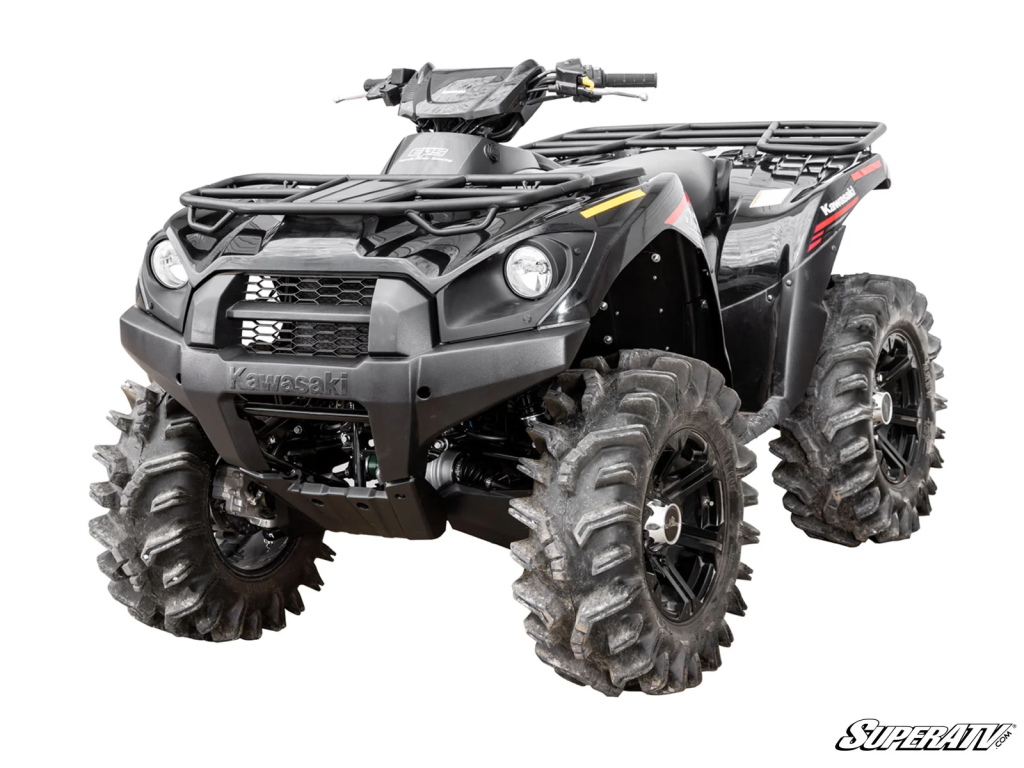
The Kawasaki Brute Force has earned its reputation as a capable ATV that can handle years of hard riding. Like any machine, it will eventually have problems, but most common issues can be managed when you catch them early.
Whether you’re dealing with a starting issue, a worn belt, overheating, or suspension wear, the key is diagnosing the problem before replacing parts. A little troubleshooting can save you time, money, and frustration.
If you’re looking to keep your Brute Force ready for whatever comes next, check out SuperATV’s lineup of Kawasaki Brute Force parts and accessories.
Disclaimer: This article was written by an employee of SuperATV. The views, opinions, and recommendations expressed in this blog are the writer’s own and do not necessarily reflect those of SuperATV. This content is provided for informational purposes only and is not intended as safety advice or official technical guidance. Modifying vehicles and using aftermarket parts can impact performance and safety. Readers are responsible for ensuring proper installation, compatibility, and safe operation. SuperATV makes no representations or warranties regarding the accuracy or completeness of this information and assumes no liability for any actions taken based on it.

