Few things are as crucial as a reliable battery for powersports and off-road adventures. Whether you’re tearing through rugged trails on an ATV or exploring the wilderness in a UTV, understanding how your battery works and how to maintain it is vital.
Join us as we delve into the heart of these powerhouses and uncover the mysteries of ATV and UTV batteries.

At its core, a battery is a device that stores and releases electrical energy through chemical reactions. Batteries harness this energy to power the various electrical components of your vehicle, from lights to ignition systems.
But how do ATV and UTV batteries differ from their car counterparts?
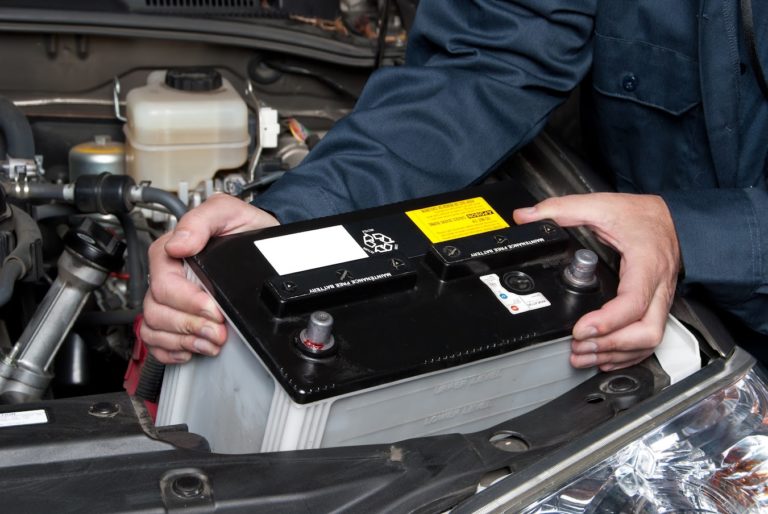
Unlike car batteries, which are typically lead-acid batteries, many ATV and UTV batteries—including our Motobatt Batteries—utilize sealed lead-acid (SLA) or absorbed glass mat (AGM) technology. These designs offer impressive resistance to vibration and leakage, making them ideal for the demanding terrain encountered by off-road vehicles.

Despite their compact size and sealed construction, SLA batteries pack a punch when it comes to delivering reliable power. Here’s a breakdown of how these batteries work:
SLA batteries consist of lead plates submerged in an electrolyte solution, typically sulfuric acid. Unlike traditional flooded lead-acid (car) batteries, SLA batteries are sealed, the battery casing contains the electrolyte. This design minimizes the risk of spills and allows for maintenance-free operation in most cases.

When an SLA battery is connected to a load or a charger, chemical reactions occur within the battery cells to produce electrical energy.

During discharge (when the battery is providing power to a device), lead sulfate forms on the battery plates, releasing electrons. These electrons flow through the external circuit, powering the connected device.
One key feature of SLA batteries is their recharging ability. When the battery is connected to a charger, the chemical reactions reverse. The lead sulfate converts back into lead dioxide and lead, effectively restoring the battery’s capacity. This process recharges, or reconditions, the battery.

The sealed construction of SLA batteries offers several advantages. It eliminates the need for regular maintenance, such as adding water to the electrolyte, as is often required with flooded lead-acid batteries.
Additionally, the sealed design reduces the risk of electrolyte leakage, making SLA batteries safer to handle and install.
SLA batteries are well-suited for rugged applications like off-road vehicles due to their ability to withstand vibration and shock. This resilience ensures reliable performance, even on challenging terrain where vibrations are typical.
Compared to some other battery types, SLA batteries have a relatively low self-discharge rate. This means they can hold their charge longer when not in use, making them ideal for intermittent or seasonal use in vehicles like ATVs and UTVs.

It’s essential to care for your ATV or UTV battery to ensure long-lasting performance. Here are some tips to keep your battery in top condition:
Check the battery terminals for signs of corrosion or damage. Clean them with a wire brush and apply dielectric grease to prevent further corrosion.

Avoid letting your battery sit for extended periods without use, which can lead to sulfation. In this condition, sulfuric crystals form on the lead plates, reducing battery capacity.
Consider using a battery maintainer or trickle charger during periods of extended storage.

Extreme heat or cold can affect battery performance and lifespan. Store your ATV or UTV in a climate-controlled environment or use a battery insulation kit to shield it from temperature extremes whenever possible.
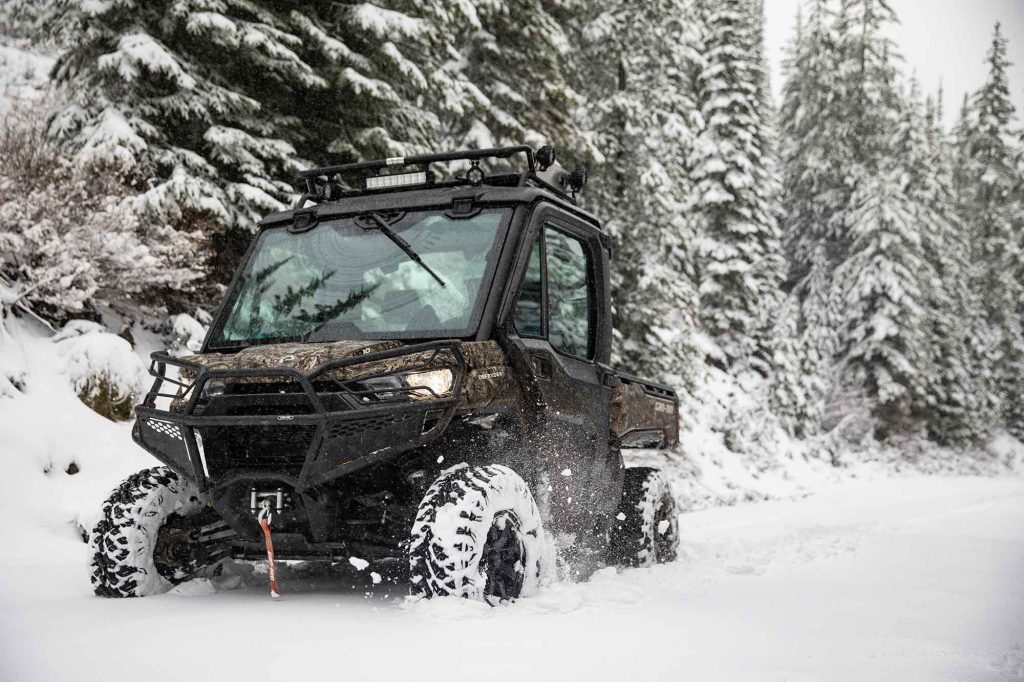
When installing or removing your battery, be mindful of proper handling procedures to avoid damage to the casing or internal components.
While ATV and UTV batteries are specialized for off-road use, it’s worth mentioning other types of batteries commonly found out on the trail.
Lithium-ion batteries, for example, offer a lightweight and high-performance alternative to traditional lead-acid batteries, albeit at a higher (sometimes MUCH higher) cost.

There has been a growing trend towards adopting lithium-ion technology in the powersports sector, driven (pun intended) by the desire for lighter, longer-lasting batteries.
Here are a few points to consider regarding the use of lithium-ion batteries in UTVs and ATVs:
Many riders upgrade their UTVs or ATVs with aftermarket lithium-ion battery kits. These kits replace SLA batteries directly, offering benefits such as reduced weight, faster charging times, and longer life cycles.

With the rise of electric vehicles, manufacturers like Polaris, Segway, and others have started producing electric machines equipped with lithium-ion battery packs.
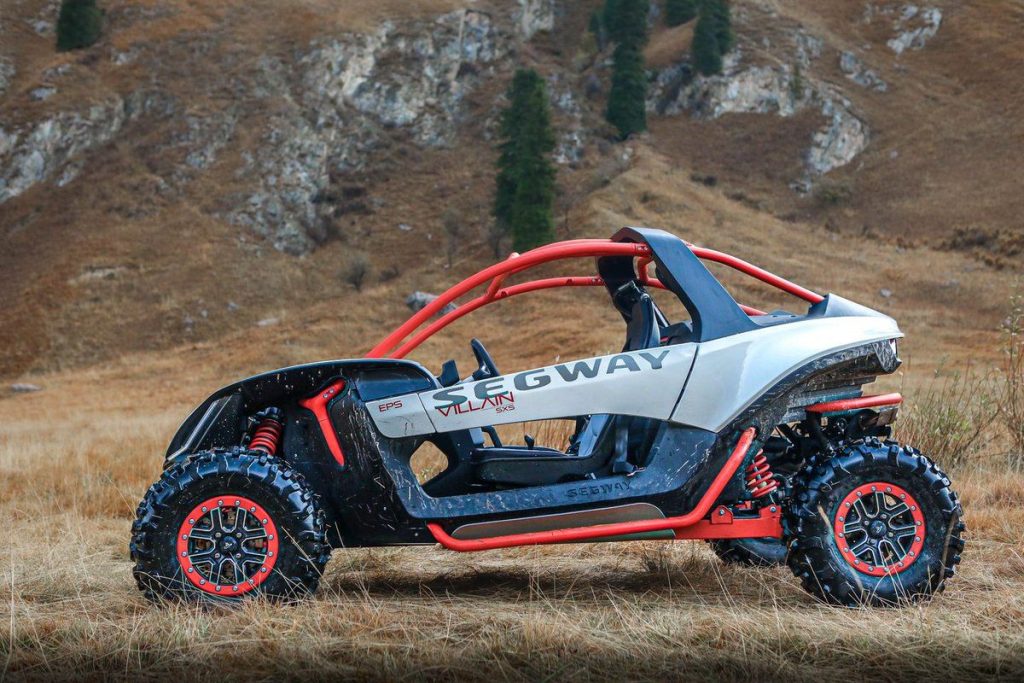
These electric UTVs and their hybrid counterparts offer low- to zero-emission operation and advanced battery management systems to optimize performance and range.

Your ATV or UTV battery is the lifeblood of your off-road adventures, providing the power to conquer any terrain. By understanding how these batteries work and following proper maintenance practices, you can ensure years of reliable performance from your vehicle.
When it comes time to replace or upgrade your battery, trust SuperATV to provide the quality and reliability you need. Visit our website today to explore our wide selection of ATV and UTV batteries and keep the power flowing on your next off-road excursion!


